All quotes are direct quotations from The Collected Works of Mahatma Gandhi. They are taken from his writings and statements during the years he spent working as an attorney in South Africa before he went back to India in 1915 to fight for independence. Note: “Kaffir” is an offensive term in South Africa considered on par with “n*gger” in the U.S., though in Gandhi’s time some historians claim it was considered more neutral.
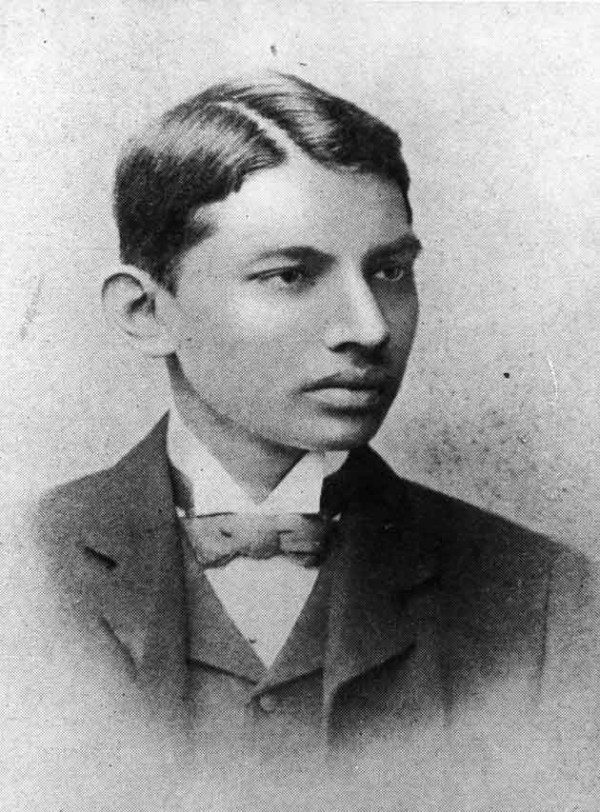
Gandhi at 19
Indians Dragged Down to the Kaffirs
Before Dec. 19, 1894: “A general belief seems to prevail in the Colony that the Indians are little better, if at all, than savages or the Natives of Africa. Even the children are taught to believe in that manner, with the result that the Indian is being dragged down to the position of a raw Kaffir.”
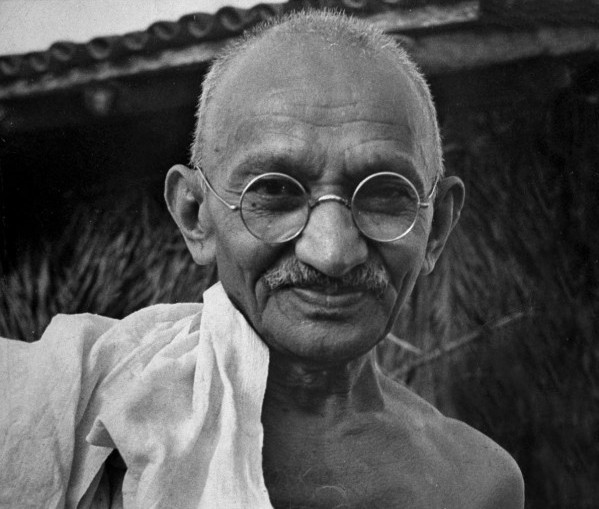
Kaffirs Pass Their Lives in ‘Indolence and Nakedness’
Sept. 26, 1896: “Ours is one continual struggle against a degradation sought to be inflicted upon us by the Europeans, who desire to degrade us to the level of the raw Kaffir whose occupation is hunting, and whose sole ambition is to collect a certain number of cattle to buy a wife with and, then, pass his life in indolence and nakedness.”
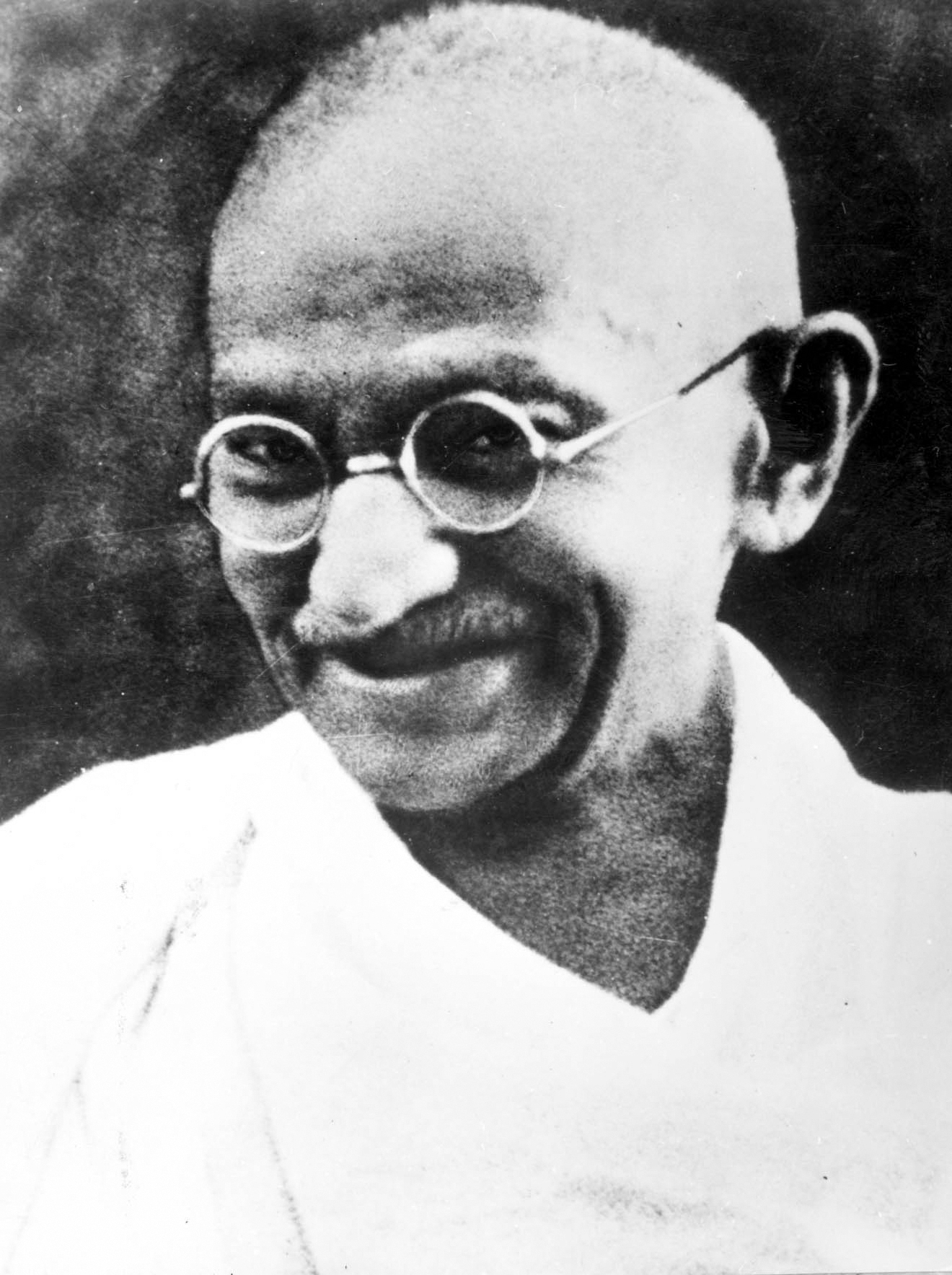
Kaffirs Would Not Work
Oct. 26, 1896: “There is a bye-law in Durban which requires registration of colored servants. This rule may be, and perhaps is, necessary for the Kaffirs who would not work, but absolutely useless with regard to the Indians. But the policy is to class the Indian with the Kaffir whenever possible.”