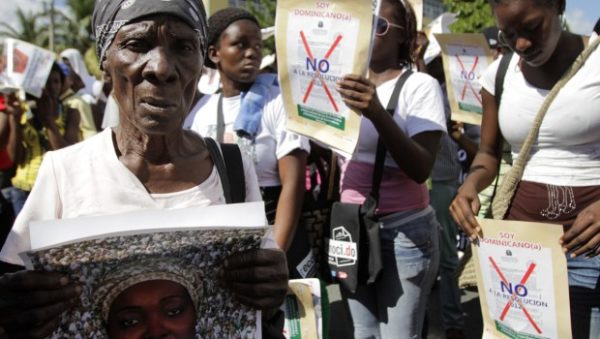
Based on the color of their skin and their African heritage, Haitians, and more generally people of African descent, have been stigmatized in the Dominican Republic, as in other countries in the Western Hemisphere, since the arrival of enslaved Africans in the 16th century. This historical stigmatization manifests itself as an ideology called antihaitianismo (anti-Haitianism), whose origins can be linked to the racial prejudices of the Spanish inhabitants of the colony of Santo Domingo, as pointed out by Ernesto Sagás of Colorado State University. Spanish colonization in the 16th century brought sugar, slavery and also racial prejudice to the island. To be sure, it should be stated that there are many Dominicans who proudly identify with their African heritage and treat Dominicans of Haitian descent with respect.
A Deep-Seated Stigma Against Dark Skin
Dr. Ernesto Sagás, associate professor of Ethnic Studies at Colorado State University, said that through antihaitianismo, whiteness came to be identified with “Dominicanness,” while “blackness” was rejected as alien, Haitian and barbaric. In this (re)definition of “race,” the Black and the mulatto masses had but two choices: to “lighten” themselves by assuming the indio identity and Hispanic culture, or to be ostracized and excluded from the national mainstream. In their development of a Dominican national identity, Dominican elites combined race, nation and religion, creating a marker of difference between Haitians and Dominicans that would pass from generation to generation, LaToya Tavernier of Framingham State University wrote in Socialism and Democracy.
The Parsley Massacre
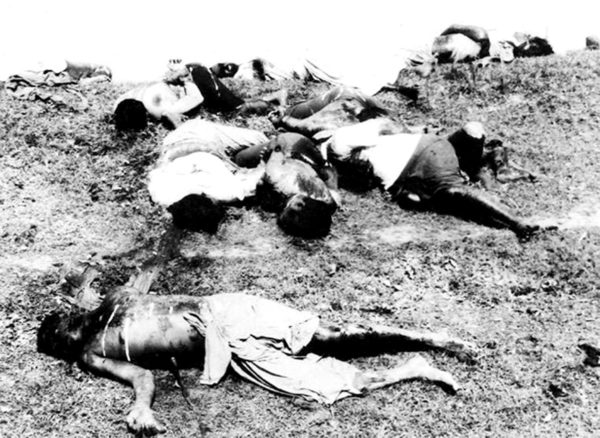
This anti-Black, anti-Haitianness was taken to its logical conclusion under the dictatorship of Rafael L. Trujillo. In October 1937, Trujillo ordered the massacre of Haitians living and working in the border areas of the two countries. Over a period of five days, thousands of Haitians [estimates range from 1,000 to 30,000] were brutally killed with guns, machetes, and knives by Dominican troops, civilians and local political authorities, Jemima Pierre wrote on Black Agenda Report. Some were killed while trying to escape across the aptly named “Massacre River” into Haiti. The reasons for this massacre vary, but Trujillo’s anti-Blackness was key. Haitians claim it was so difficult to distinguish the Haitians from the Dominicans that the soldiers seeking Haitians needed to listen for the Haitian accent in the Spanish word “perejil” (parsley) to determine the difference between non-Black “native” and Black “foreigner.”


