7 Times Mainstream Media Wrongfully Attacked Black Women For Embracing Their Natural Hair

QVC controversy

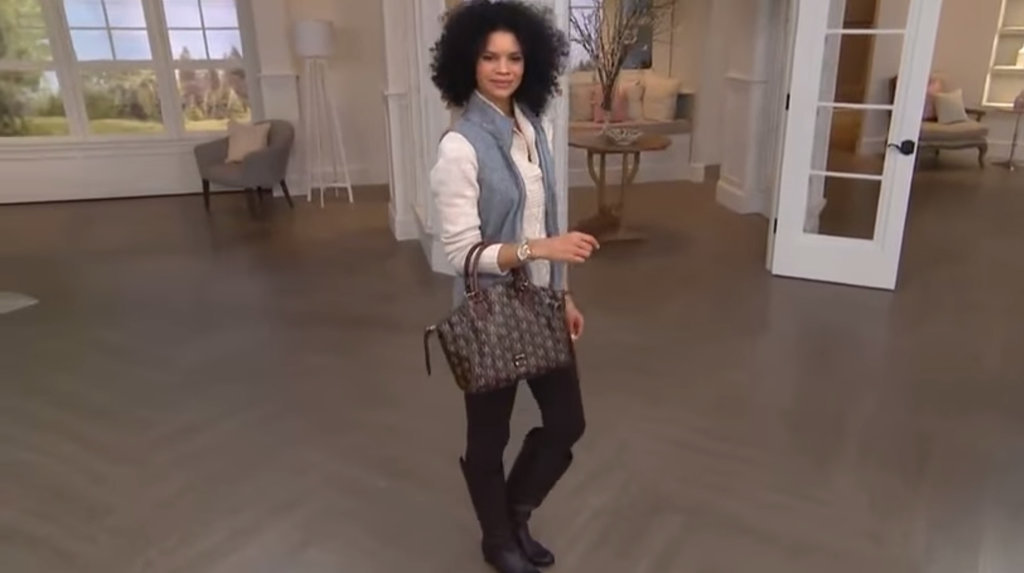
QVC Mocks Model’s Natural Hair, Straightens It in Replacement Video

A QVC controversy went viral after a white host seemed to mock a Black model’s natural hair during a live segment. The model, whose hair was in a large Afro, was holding a Dooney & Bourke satchel that was up for sale. While the attention was supposed to be on the bag, the host took time to take a jab at what she considered an embarrassing hairstyle. “You might look back and think why did I wear my hair like that? But you like your bag still,” the host said. The other host chimed in by saying, “That’s right,” before they both shared a laugh together. While the hosts insisted they had no problem with the model’s natural hair and weren’t trying to mock her, viewers pointed out that QVC eventually replaced the clip with another taping of the same segment where the model’s hair was pressed straight.

People Magazine Scandal Tweet

People Magazine Suggests Natural Hair Can’t Be Professional

People magazine has had a series of troubling tweets in the past that have caused social media users to slam the publication as racist. This history only made matters worse when the magazine sent out a tweet that seemed to suggest Scandal’s Olivia Pope couldn’t be taken seriously while her hair was in a natural, curly style. “Olivia’s back to straight hair so you KNOW she means business. #Scandal,” the magazine tweeted. Backlash immediately poured in, and the magazine eventually issued an apology for the tweet.


Democracy needs journalism it can trust.

This election season, the stakes are higher than usual — and so is the pressure on newsrooms to soften their coverage, stay quiet, or just disappear. Independent reporting, the kind that answers to readers instead of advertisers or political pressure, matters more in a moment like this, not less.

For over 14 years, Atlanta Black Star has stayed independent and reader-funded. We have no corporate owner and no shareholders telling us what to cover or how to cover it. That independence is also our biggest vulnerability: nothing protects it except readers choosing to fund it directly.

Newspaper ad revenue has fallen more than 80% since 2005, and local newsrooms are closing at a rate of roughly two a week nationwide. When outlets go under in a moment like this, it's rarely the independent, reader-funded ones that get to stick around.

We know a request for support isn't why you came here. But without readers choosing to fund this work directly, the depth of reporting we can do at home and abroad shrinks along with everyone else's. If you're not in a position to give, that doesn't change how much we value you as a reader.

If you are able to, a recurring contribution does more for us than a single one-time gift, because it lets us plan the next investigation instead of just the next invoice. It takes about 30 seconds, no long form, no account. Thank you for continuing to support independent journalism and freedom of the press.

Back to top