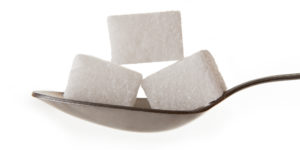
 Sugar is more addictive than cocaine.
According to research from the National Institute of Health (NIH), the sweetness can induce reward and cravings that are comparable in magnitude to those induced by the addictive drug.
However, while cocaine and heroin are illicit drugs, added sugar is found in nearly every item in the supermarket, even in items we least expect: a serving of tomato sauce has more sugar than several Oreo cookies.
A healthy woman is suppose to consume about 6 teaspoons a day, and nine for a healthy male—but the average American is getting about 22 to 30 teaspoons daily. Half of this comes from soda, juices, and sugar beverages such as your morning double caramel mocha frappuccino.
Thus, for the last three decades, Americans have focused on low fat and low cholesterol diets in hopes of improving cardiovascular health and maintaining a slim waistline. However, this health trend prompted many manufacturers to strip their foods of fat and calories but load them with sugar and/or salt.
Fast forward to 2015 where 1 in 8 Americans are living with insulin-resistance type II diabetes, another third have high blood pressure, and obesity rates are skyrocketing in children. The Dietary Guidelines Advisory Committee issued new guidelines on Monday with new limits on sugar consumption and easing restrictions on fat and cholesterol.
This nutrition panel convenes every five years and issues recommendations that shape the country’s official dietary guidelines.
The panel recommends that Americans limit sugar to no more than 10 percent of daily calories. That’s roughly 12 teaspoons a day for many adults.
This is any added sugar—white, brown, honey, raw, stevia, agave, and other trendy sweet stuff at the market.
Though a good first step, more needs to be done to warn Americans, such as product labeling foods and drinks that have added sugar; or better yet, to just say “No.”
S.C. Rhyne is a blogger and novelist in New York City. Follow the author on Twitter @ReporterandGirl, http://Facebook.com/TheReporterandTheGirl and visit her website at http://www.TheReporterandTheGirl.com