The Pig Farms of North Carolina
Industrial pig farms pose a significant hazard to the environment and the health of Black communities and low-income communities. According to a report by researchers from the School of Public Health at the University of North Carolina-Chapel Hill, the pig farms, also known as Swine CAFOs [Confined Animal Feeding Operations], are disproportionately located in Black and poor communities. Research has shown that these pig farms are responsible for both air and water pollution, mostly due to the vast manure lagoons they create to hold the enormous amount of waste from the thousands of pigs being raised for food. In North Carolina, it has been said that the number of pigs on factory farms exceeds the total population of people in the state. The contamination from North Carolina pig farms has yielded dangerous concentrations of groundwater nitrates, a leading cause of blue baby syndrome — babies born with heart defects. Hydrogen sulfide has also caused noticeable increases in respiratory ailments near these sites. During the summer of 1995, there were seven major spills from waste lagoons in North Carolina, six of which were hog-related. As a result of these spills, more than 30 million gallons of hog waste poured into the waterways, resulting in over 15 million fish killed in the state’s rivers that year.  Black People Living in Louisiana’s Cancer Alley
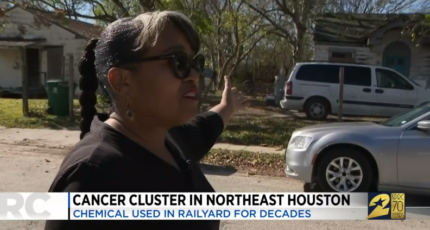
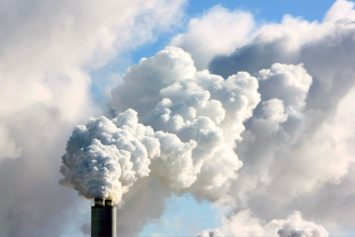
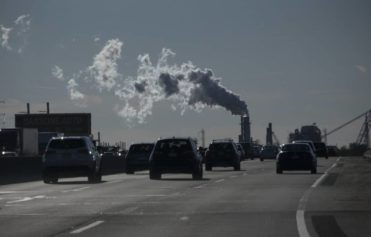
In the region between Baton Rouge and New Orleans that is heavily African-American, there are so many dangerous plants operating that local residents and environmentalists have started calling it “Cancer Alley,” according to a report in Al Jazeera America. A total of 150 petrochemical companies and 17 refineries in the area were releasing dangerous levels of toxic chemicals into the air and water. In a predominantly Black community in southern Louisiana called Mossville, 91 percent of residents said they were experiencing health complications they believed to be related to the 14 facilities that manufacture, process, store or discharge toxic or hazardous substances in the small area.