5 Laws or Regulations That Aid Police But Hurt Black People

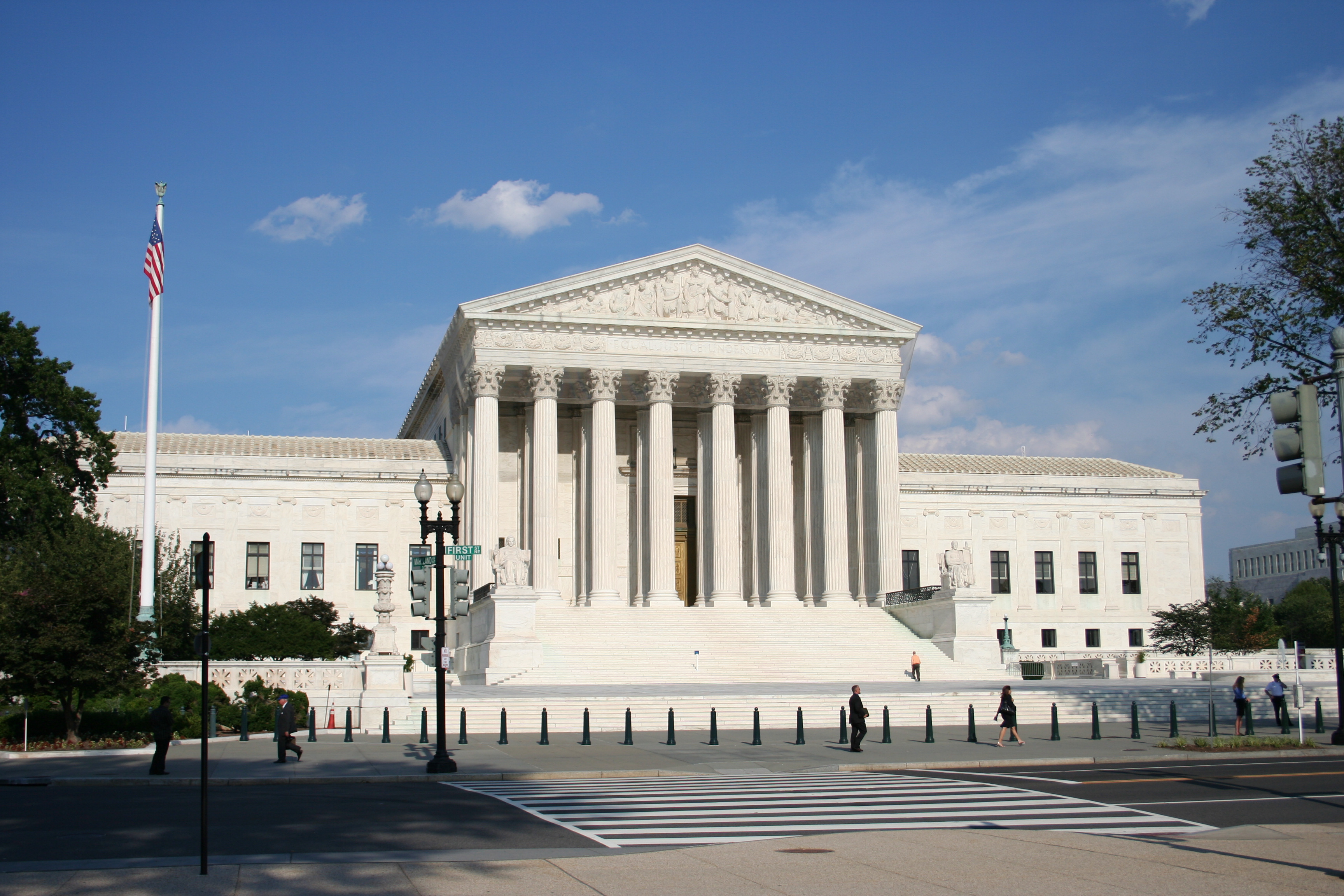
20120110094716!SCOTUSbuilding_1st_Street_SENo Duty to Protect

In 2005, the Supreme Court ruled that police have no constitutional duty to protect a person from harm, including a woman in Colorado who had obtained a court-issued protective order against a violent husband, according to The New York Times. The decision, with an opinion by Justice Antonin Scalia and dissents from Justices John Paul Stevens and Ruth Bader Ginsburg, overturned a ruling by a federal appeals court in Colorado. The appeals court had permitted a lawsuit to proceed against Castle Rock for the failure of the police to respond to a woman’s pleas for help after her estranged husband violated a protective order by kidnapping their three young daughters … whom he eventually killed.

Independent journalism doesn't fund itself.

We hope this story was worth your time. For over 14 years, Atlanta Black Star has stayed Black-owned and independently run. We didn't get here by waiting on ad budgets that were never built to prioritize us. Our readers did that.

Corporate support for Black media has always been thin. Outlets like ours get roughly 1% of the $170 billion spent on U.S. advertising each year, and that margin is shrinking further as advertisers walk back the DEI-linked commitments they made in 2020. That's the backdrop. It's not why we're asking.

We know a request for support isn't why you came here. But without readers choosing to fund this work directly, the depth of reporting we can do at home and abroad shrinks along with everyone else's. If you're not in a position to give, that doesn't change how much we value you as a reader.

If you are able to, a recurring contribution does more for us than a single one-time gift, because it lets us plan the next investigation instead of just the next invoice. It takes about 30 seconds, no long form, no account. Thank you for continuing to support independent journalism and freedom of the press.

Back to top