 In another show of police officers acting above the law, Oklahoma officers have started enforcing a controversial “hoodie ban” despite the fact that the bill isn’t a law yet and hasn’t even been granted a hearing for this legislative session.
The proposed legislation doesn’t specifically target hoodies but many have argued that the wording in the bill would certainly place a serious target on protesters who wear hoodies in commemoration of the slain Black teen Trayvon Martin.
Martin was fatally shot by neighborhood watchman Georgia Zimmerman back in 2012. His death sparked outrage especially after Zimmerman was acquitted in Martin’s killing and came to be only the first of what would be a series of nationally recognized killings of unarmed Black men.
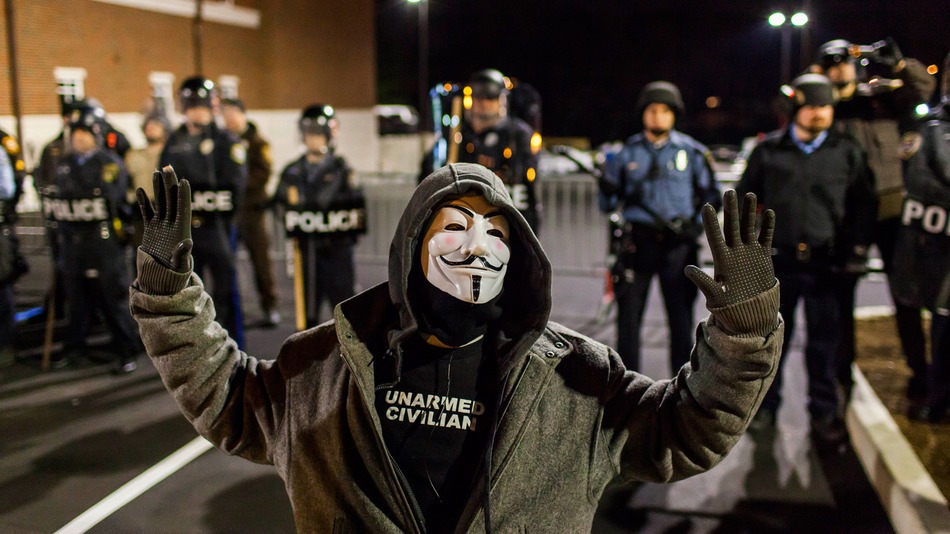
Since the deaths of unarmed teen Michael Brown and Staten Island father Eric Garner, protesters have taken to the streets in all sorts of attire, including hoodies and an “Anonymous” movement has been sparked by a group wearing Guy Fawkes masks.
Oklahoma’s proposed legislation would not only attempt to put an end to this but it could also criminalize the wearing of hoods in public regardless of whether the wearer is taking part in any criminal activity.
For this reason, the bill has garnered more backlash than support, but that hasn’t stopped officers from treating the proposal as law.
Two protesters connected to the “Anonymous” movement said police prohibited them from wearing their masks into the Oklahoma statehouse, Tulsa World reported.
Michael, who did not want to provide his last name to the publication, admitted he and his friend were being “mouthy” but were not committing any crime or threatening anyone’s safety.
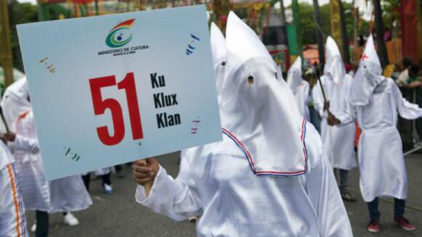
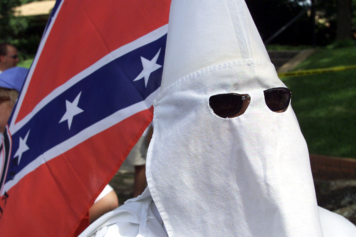
Ironically enough, the bill, which was a direct response to Black Lives Matter protesters wearing hoodies and masks during their demonstrations, is an amendment to an earlier version of the bill that was passed to help officers crack down on the Ku Klux Klan in 1923.
 That law makes it illegal to wear masks or hoods while committing a crime.
The bill’s sponsor, Republican State Sen. Don Barrington, insists the proposed amendment to the ban is “to make businesses and public places safer by ensuring that people cannot conceal their identities for the purposes of crime or harassment.”
But in all actuality it would be taking aim at the American right to freedom of speech, which also protects “symbolic speech.”
“The Supreme Court has held that where a state seeks to restrict symbolic speech, it must demonstrate that ‘governmental interest in unrelated to the suppression of free expression,’ “ Slate writer Mark Joseph Stern wrote. “Here, Barrington’s professed crime-fighting rationale is undercut by those endless exceptions, strongly implying that his bill might be targeting hoodies for a very different reason, one pertaining to their potentially expressive character.”
The bill provides exemptions for religious practices, Halloween, festivals, “exhibition of an educational, religious or historical characters,” mascots and more, which suggests this legislation would be used primarily to target protesters and people of the Black community.
Violators would be fined anywhere between $50 and $500 and could be sentenced to a year in jail.
Despite the fact that officers are already enforcing the bill, Senate Judiciary Committee Chairman Sen. Anthony Sykes released a statement saying that the bill won’t be heard this legislative session because lawmakers needed to focus on other matters.