9 Ways Franklin D. Roosevelt’s New Deal Purposely Excluded Blacks People

african-americans-wwii-006

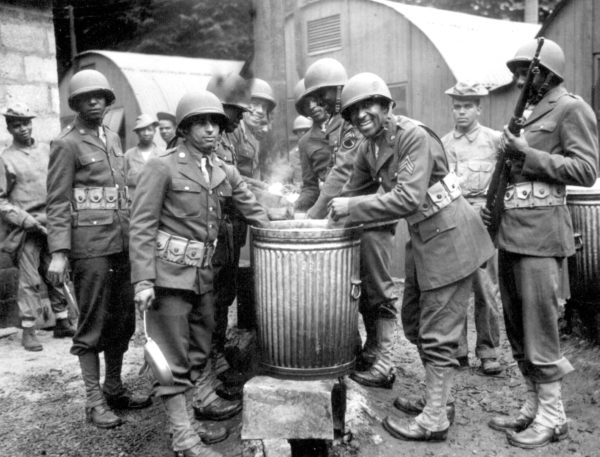
Gaping Disparity in Treatment of White and Black Soldiers

By October 1946, the G.I. Bill had placed 6,500 former soldiers in nonfarm jobs in Mississippi; 86 percent of the skilled and semiskilled jobs were filled by whites, 92 percent of the unskilled ones by Blacks. In New York and northern New Jersey, fewer than 100 of the 67,000 mortgages insured by the G.I. Bill supported home purchases by nonwhites. Discrimination continued as well in elite Northern colleges. The University of Pennsylvania, along with Columbia the least discriminatory of the Ivy League colleges, enrolled only 46 Black students in its student body of 9,000 in 1946. The traditional Black colleges did not have places for an estimated 70,000 Black veterans in 1947. At the same time, white universities were doubling their enrollments and prospering with the infusion of public and private funds, and of students with their G.I. benefits.


 

Still independent.

We hope this story was worth your time. For over 14 years, Atlanta Black Star has stayed Black-owned and independently run. We didn't get here by waiting on ad budgets that were never built to prioritize us. Our readers did that.

Corporate support for Black media has always been thin. Outlets like ours get roughly 1% of the $170 billion spent on U.S. advertising each year, and that margin is shrinking further as advertisers walk back the DEI-linked commitments they made in 2020. That's the backdrop. It's not why we're asking.

The wider picture isn't any steadier. Newspaper ad revenue has fallen more than 80% since 2005, and local newsrooms are closing at a rate of roughly two a week nationwide. When outlets go under, it's rarely the ones built to center a Black perspective from the ground up that get to stick around.

We know a request for support isn't why you came here. But without readers choosing to fund this work directly, the depth of reporting we can do at home and abroad shrinks along with everyone else's. If you're not in a position to give, that doesn't change how much we value you as a reader.

If you are able to, a recurring contribution does more for us than a single one-time gift, because it lets us plan the next investigation instead of just the next invoice. It takes about 30 seconds, no long form, no account. Thank you for continuing to support independent journalism and freedom of the press.

Back to top