Killing the Crops
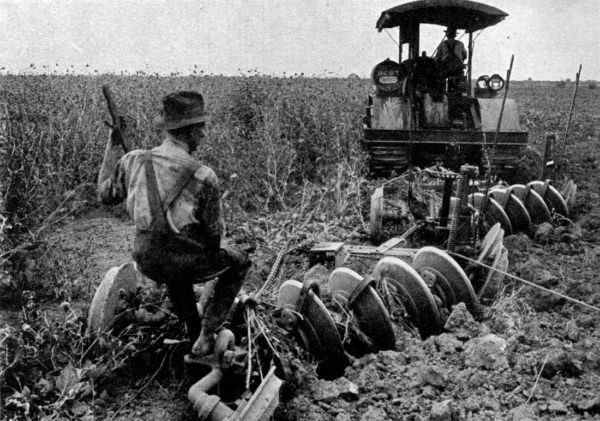
The Agricultural Adjustment Administration reduced agricultural production by paying farmers subsidies not to plant on part of their land and to kill off excess livestock, which in turn reduced crop surplus and effectively raised the value of crops. But since 40 percent of all Black workers made their living as sharecroppers and tenant farmers, the (AAA) acreage reduction hit Blacks hard, according to Digital History. White landlords could make more money by leaving land untilled than by putting land back into production. As a result, the AAA’s policies forced more than 100,000 Blacks off the land in 1933 and 1934. The act initially required landowners to pay the tenant farmers and sharecroppers on their land a portion of the money, but after Southern Democrats in Congress complained, the secretary of agriculture surrendered and reinterpreted the act to no longer send checks to sharecroppers directly.
Roosevelt Refuses to Support Anti-Lynching Bill
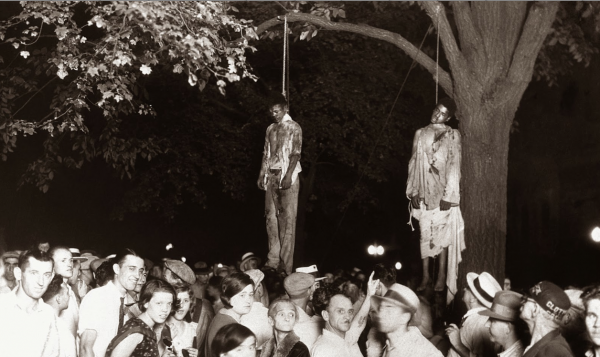
The president disappointed Black leaders by failing to support an anti-lynching bill and a bill to abolish the poll tax. Roosevelt feared that conservative Southern Democrats, who had seniority in Congress and controlled many committee chairmanships, would block his bills if he tried to fight them on the race question. In 1938, liberal congressmen attempted to pass federal anti-lynching legislation to halt the most horrific type of anti-Black terrorism. Southern Senators angrily filibustered, and FDR defied Black leaders and his own wife by refusing to throw his support behind the measure.