
Be an Asset to the Culture
This ties in to the concept of not only acknowledging privilege but also doing something about it. White artists should use that “backpack of free hookups” to benefit the culture and the hip-hop community whenever possible. Whether it’s access to even more mainstream media or connections with entrepreneurs who would never sit across the table from Black hip-hop stars, white rappers should feel an obligation to serve as an asset to hip-hop culture and the industry as a whole. Just as white hip-hop artists should want to do positive things in the urban community, they should also want to work to improve business relations, racial bias, prejudice and other key issues in the hip-hop and overall music industries.
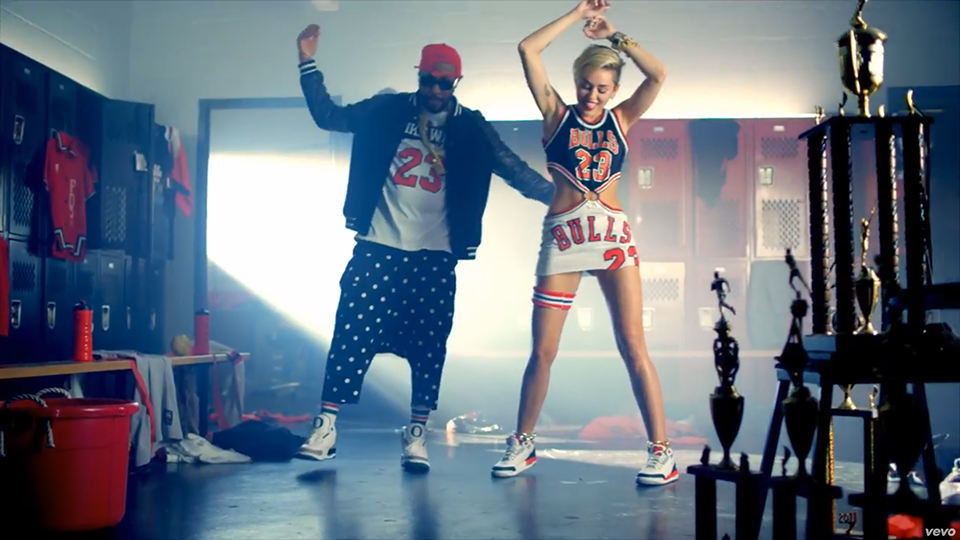
Trying to ‘Act Like a Black Person’ Does Not Make You the Coolest White Person
While neither is a hip-hop star, one can easily argue that Miley Cyrus and Justin Bieber have become integrated parts of the hip-hop community. They have also tried to make their mark as being “different” or “unique” in the white community by appropriating Black culture. They often believe they are granted some sort of “exception to the rule” card and that in everyone’s eyes they are just the cool white kid who is actually a part of the Black community. That is never the case. As white hip-hop artist J-Love explained in a blog post, “You are not so different and unique as to warrant a special ‘cool white person’ pass. Are you still trying to be the ONLY white person in the crew? Do you feel animosity when other ‘cool’ white kids come around and deflate your ego? Do yourself a favor, instead of trying to diss that other white kid…maybe [you] should take the time to connect with someone who may be similar in some ways to you.”


