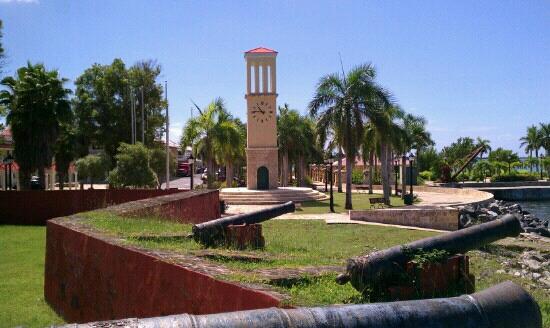
Fort Frederik, St. Croix
On the west side of the island lies Fort Frederik, which was built in the 18th century out of necessity by the Danish government to protect St. Croix against an invasion by European powers, smugglers and pirates. It gained its status as a National Landmark because of the role it played in two events that eventually led to the dissolution of slavery in the Virgin Islands in 1848. In 1848, Emancipation Revolt ended slavery in the Danish West Indies, but started a 30-year period of serfdom based on contract labor that ensured continuing control by plantation owners. Then in 1878, escalating tensions erupted into the Labor Riot and Fireburn, which ended the contract labor system.
 Fort Monroe National Monument
Following the War of 1812, the U.S. built a network for seacoast defense. Named after President James Monroe, Fort Monroe in Virginia was the first and largest of these forts. During the Civil War, it served as a haven for Black people who escaped and was one of the nation’s first self-contained African-American communities.