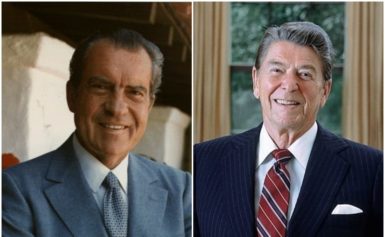
The path to make Dr. Martin Luther King’s birthday a national holiday was a long and winding road. Congressman John Conyers, Democrat from Michigan, first introduced legislation for a commemorative holiday four days after King was assassinated in 1968. But it took 15 years to create the federal Martin Luther King, Jr., holiday. A compromise moving the holiday from Jan. 15, King’s birthday, which was considered too close to Christmas and New Year’s, to the third Monday in January helped overcome opposition to the law. The official national holiday was signed into law in 1983 by President Ronald Reagan, but many states took many more years to officially get on board. The holiday went into effect in 1986. Several southern states include celebrations for various Confederate generals on that day. These were the final states to pass a bill creating a King holiday or who still haven’t fully committed.
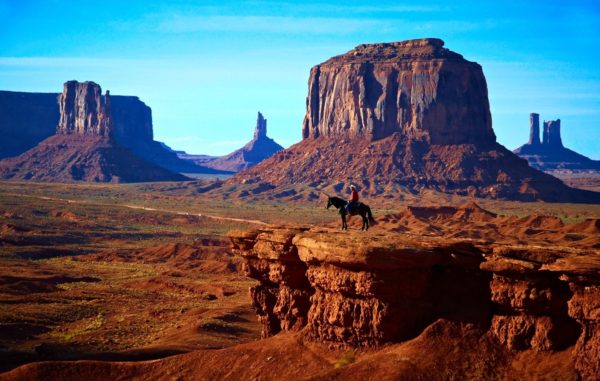
Arizona
After the federal holiday went into effect in 1986, Arizona governor Evan Mecham rescinds MLK Day in 1987 as his first act in office, setting off a boycott of the state. In 1991, the NFL moves the 1993 Super Bowl site from Phoenix, Ariz., to Pasadena, Calif., because of the MLK Day boycott. In 1992, Arizona citizens vote to enact MLK Day. The Super Bowl is held in Tempe, Ariz. in 1996.

Idaho
In 1990, then-Idaho Gov. Cecil Andrus signed legislation making Idaho the 47th state to recognize an official King state holiday. But the designation didn’t come until after a string of Idaho lawmakers argued against giving another paid holiday to state employees and questioned the importance of Dr. King. Ultimately, in an effort to pacify legislators opposed to the King honor, it was decided that the third Monday of January would be known as “Idaho Human Rights Day.”