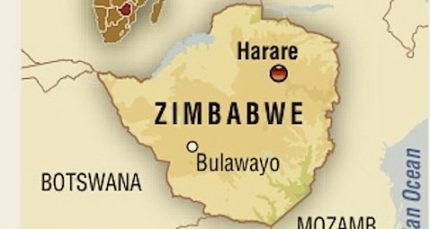
Russian investors have expressed keen interest in Zimbabwe’s livestock sector and a delegation from the Eastern European country is expected in the country soon to explore opportunities, Agriculture, Mechanisation and Irrigation Minister Dr. Joseph Made said.
Areas that the delegation would explore include manufacturing of vaccines and medicines for livestock, infrastructure, as well as opportunities in investing in new technology.
“Very soon we will have a delegation from Russia, exclusively for the livestock sector and it is going to be wide ranging,” Minister Made said in an interview last week.
Already, Zimbabwe is looking at exporting beef to Russia as the European country seeks alternative source markets for beef after the banning of food imports from the West in retaliation for sanctions imposed on it over Ukraine. As such, Dr .Made said the delegation would also look at the country’s beef export systems.
Livestock production in Zimbabwe is mainly centered on beef, pork, milk and poultry industries.
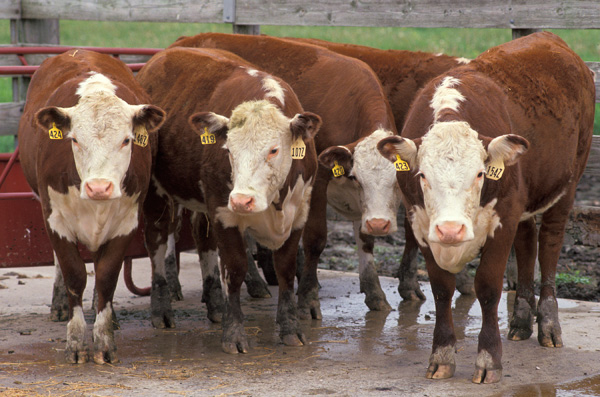
In an update on the state of the industry, the government said the national cattle herd increased by 2.3 percent to 5.36 million during the 2013-14 season from 5.24 million. A new cattle-breeding and semen-producing laboratory was established.
In the poultry segment, the industry registered a 38 percent increase in day-old chicks production from 64.4 million birds produced during the 2012-13 season. This resulted in an increase of 400,000 tons in total poultry meat produced during the season.
About 50 million dozens of eggs were produced, up from 24.6 million in 2013. There has also been a 2 percent and 20 percent increase in sheep and goat slaughters, respectively.
Milk production was at 55 million litres in 2013 and it remained below the national demand of 10 million litres per month.
Dr. Made said Russians investment might be in the form of partnership with State-owned companies such as Cold Storage Company or private arrangements.
Dr. Made said it was encouraging to have the Russians as they were instrumental in developing and mechanising the Chinese livestock industry.
In the 2015’s National Budget, Finance and Economic Development Minister Patrick Chinamasa said some development partners, through the Food and Agriculture Organisation, have also set aside $9.2 million towards support for the smallholder livestock sector.
The program aims to develop a more productive smallholder livestock sector, increasing food, nutrition and income security through commercialization of the sector.
This year, $2 million will be disbursed, targeting 20,000 households in Lupane and Nkayi.
Source: The Herald