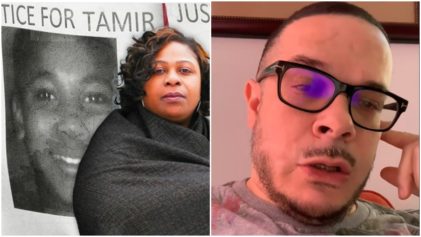
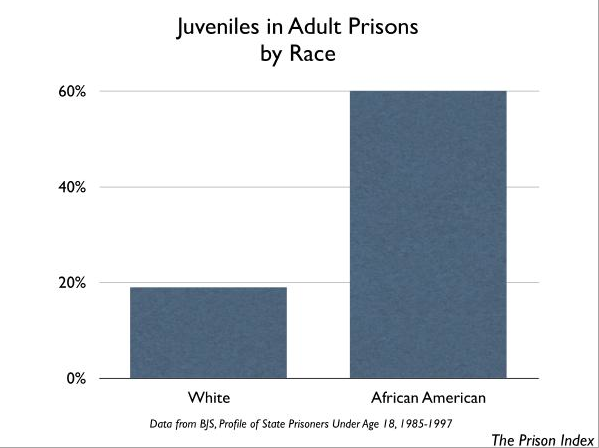
 As the criminal justice system continues to punish a disproportionately high number of Black children as adults, studies are revealing that placing juveniles in adult prison is only adding to recidivism rates and sparking serious psychological issues.
A staggering amount of young Black children are placed in adult prisons with numerous studies showing time and time again that it leads to bleak futures.
One study revealed that children sentenced to serve in adult prisons are far more likely to attempt suicide, develop anxiety issues and become depressed.
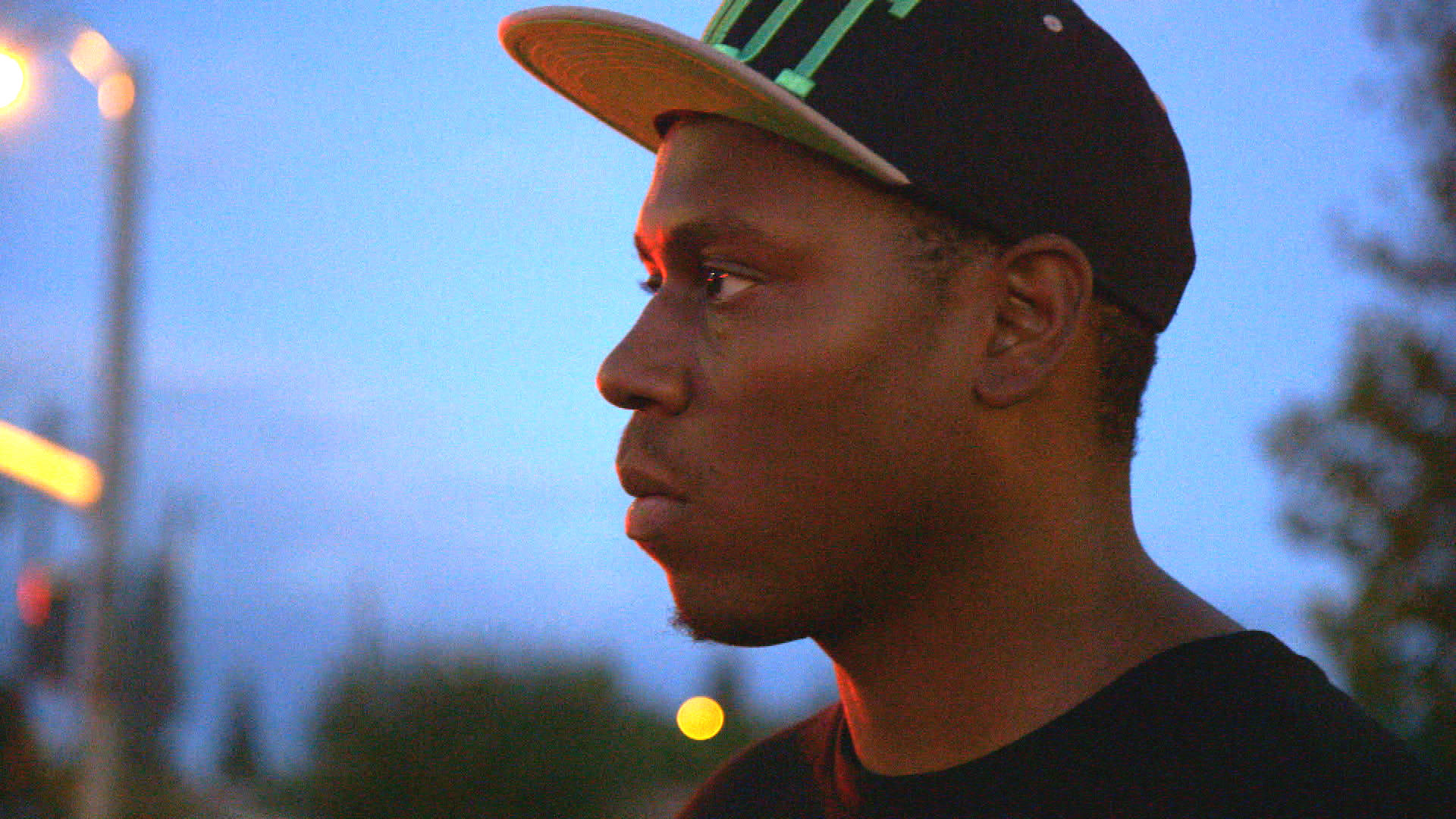
This is the dark reality that people like Alonza Thomas are facing in a justice system that doesn’t see Black children as children at all.
Thomas is the focus of a new documentary entitled “Stickup Kid.”
At the age of 15, Thomas’s failed burglary attempt and first criminal offense landed him in prison for more than a decade.
Although he was recently released from prison, one would hesitate to say he has obtained his freedom.
Thomas is facing issues with depression, anxiety and psychosis due to the “psychological duress” of his time behind bars.
He also admitted in the documentary that he attempted to take his own life while he was in prison.
The fact that Thomas has steered clear of any more run-ins with the law is nothing short of a miracle.
Studies revealed that juveniles sent to adult prisons have 34 percent more arrests than those who stayed in the juvenile system.
Caitlin McNally, the director and producer of “Stickup Kid,” appeared on Huff Post Live and said Thomas is lucky to have “bucked the trend.”
Many young Black people are charged and treated as adults in the criminal justice system, which proves to be yet another way racism is stealing the very idea of a childhood from Black children.
“America does not extend the fundamental elements of childhood to black boys and girls,” senior enterprise reporter at the Chronicle of Higher Education, Dr. Stacey Patton, wrote in an article published by the Washington Post. “Black childhood is considered innately inferior, dangerous and indistinguishable from black adulthood. Black children are not afforded the same presumption of innocence as white children, especially in life-or-death situations.”
It’s something that has plagued the justice system for decades.
 The nation was reminded of this travesty after a Cleveland police officer fatally shot 12-year-old Tamir Rice after the young boy was seen outside with a toy gun.
Officers reported that they believed the young boy was 20.
Even as far back as the 50s, white people commonly justified their inhumane treatment of young Black boys by insisting they believed they were adults.
In 1955, a group of white men beat 14-year-old Emmett Till to death before one of his killers said the teen “looked like a man.”
From Trayvon Martin, the unarmed teen who was fatally shot by neighborhood watch George Zimmerman, to Michael Brown, the recent high school graduate who was fatally shot by Ferguson, Missouri, police officer Darren Wilson, the nation has seen how white America tends to view Black youth as fully-grown threats to their safety, rather than as children.
This view of young Black people will ultimately land more children in adult prisons and add to the nation’s already incredibly high recidivism rates.