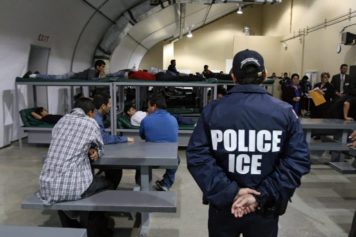
In an age when freedom is fast becoming the exception rather than the rule, imprisoning Americans in private prisons run by mega-corporations has turned into a cash cow for big business. A growing number of American prisons are now contracted out as for-profit businesses to for-profit companies. The companies are paid by the state, and their profit depends on spending as little as possible on the prisoners and having as many as possible, housed as cheaply as possible. Approximately 13 million people are introduced to American jails in any given year. Incredibly, more than 6 million people are under “correctional supervision” in America, meaning that one in 50 Americans are working their way through the prison system, either as inmates, or while on parole or probation. The majority of those being held in federal prisons are convicted of drug offenses — namely, marijuana. Presently, one out of every 100 Americans is serving time behind bars.
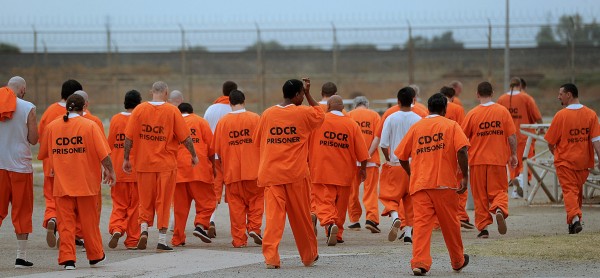
States Have to Guarantee Prisoners to Private Corporations
For Corrections Corp of America (CCA) and GEO Group, the leaders in the partnership corrections industry, prisons are a $70 billion gold mine. Two years ago, in an attempt to increase profits, CCA floated a proposal to prison officials in 48 states offering to buy and manage public prisons at a substantial cost savings to the states. In exchange, the prisons would have to contain at least 1,000 beds and states would have to agree to maintain a 90 percent occupancy rate in the privately run prisons for at least 20 years.
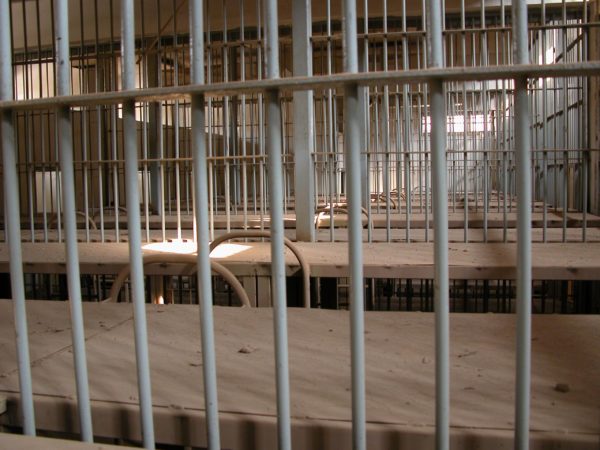
The Economic Recession Is Good for Business
Corrections Corp of America pointed out to potential state clients that private prisons comprise a unique, recession-resistant investment opportunity, with more than 90 percent of the market up for grabs, little competition, high recidivism among prisoners and the potential for “accelerated growth in inmate populations following the recession.” To make sure they have the ear of lawmakers — who write the sentencing regulations — CCA spent about $1 million in both 2009 and 2010 on direct lobbying expenses on the federal level alone. The company and its Political Action Committee further gave over $812,000 in federal and state political donations in 2009 and more than $722,000 in 2010.