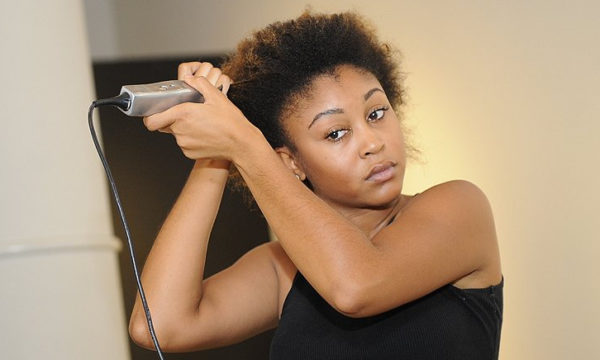
Having to muster up the courage to cut it off.
Cutting off your hair is no easy notion. Since ancient times, a woman’s locks have been seen as a source of her beauty and femininity. But, with the modern-day natural movement, more women are opting to do the “big chop” and cut off their permed ends to let their natural curl patterns grow.
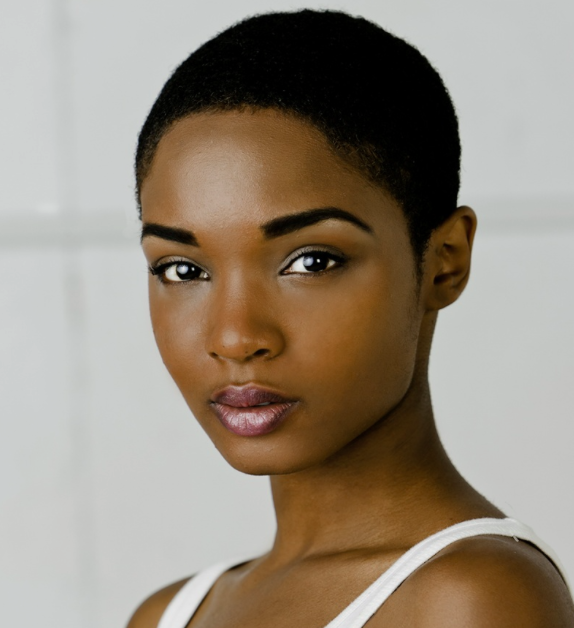
Having to hear people express how much they miss your longer hair.
A woman’s hair is no one else’s business, so when she decides to chop it off and go completely bald, there’s nothing more annoying than dealing with comments by people wishing her hair was different from the way she decided it to be.
Having to always wear makeup so you aren’t mistaken for a boy.
Women have begun to rely less and less on their hair for beauty. Ever since the release of India Arie’s “I Am Not My Hair” in 2006, more women have been letting go of their locks and relying on their facial beauty.
People calling your sexuality into question.
The drawback to having short hair is that while you may be comfortable in your femininity, others aren’t quite as evolved. Women with short hair constantly have to defend not only their choice to cut their hair, but their sexuality.
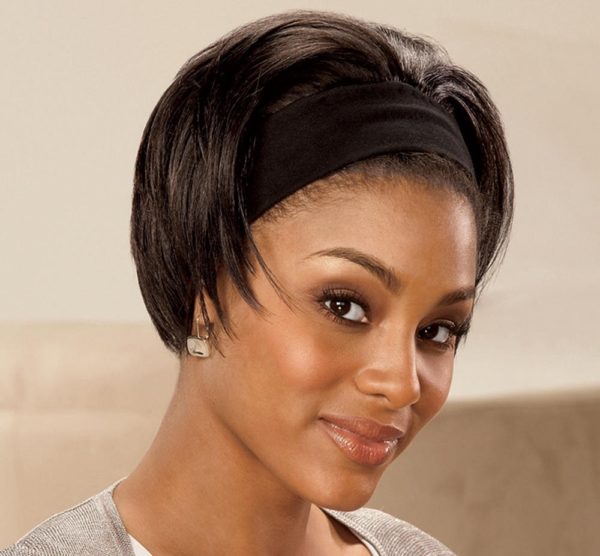
Not being able to throw your hair in a ponytail.
Having short hair means the days of just throwing your hair in a ponytail are over. Short hair forces you to get creative with styles and ways of maintaining your desired look without damaging your hair with excessive heat.
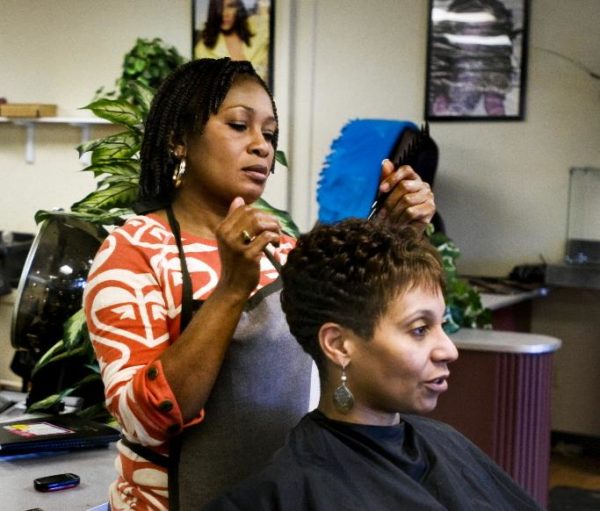
Being afraid the hairdresser is going to get carried away with the clippers.
Every woman with short locks knows the fear of walking into a hair salon or barbershop and seeing a stylist you don’t know.