 GEORGETOWN, Guyana, Oslo Times — When President Barack Obama signed the 2010 financial regulations bill into law, the primary focus was to clean up the bad business on Wall Street, while stretching Washington’s judicial reach to other countries engaged in bad business transactions that pass through U.S banks.
But buried in the 2,300-page document is an obscured section that covers the mineral exploitation profiteering feats in a number of jurisdictions, including Guyana, and everyone in that country that may be directly or indirectly involved in mineral trade with U.S companies or may have gained from questionable mineral trading transactions that pass through U.S banks.
Long accused of being a lawless transit point for the Democratic Republic of Congo’s “Rape diamonds,” and by extension, Africa’s blood diamonds, Guyana has somehow evolved as the Caribbean’s appeasement park for corrupt mineral trade.
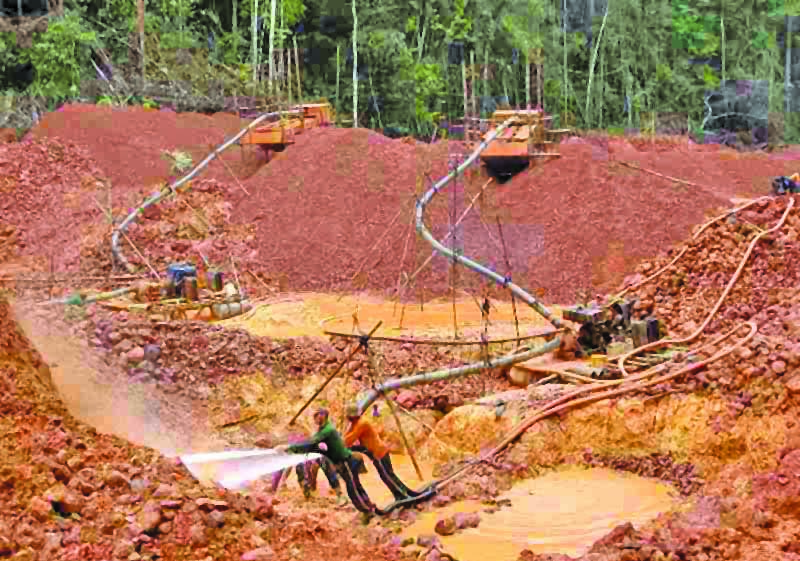
Arguably the country’s largest foreign exchange earner, combined trade in precious metals has attracted the interest of almost everyone in Guyana’s investment and social strata, which has since seen senior members of Guyana’s government, the police force, and the business community launching mining operations in Guyana’s treacherous jungle terrain.
In many instances some of these mining operations progressed into sizeable operations in a matter of months, and at scales that often defy investment logic.
For many, Guyana’s gold exploits have transformed their lives from rags to riches with minimal effort.
However, Western intelligence has since suggested that the majority of mineral trading in Guyana is now controlled by at least two major foreign drug cartels, including Mexico’s Knights Templar cartel who are believed to be financing the mining operations of at least four major gold mining firms with strong connections to the Guyana government.
These firms are generally scouted by the Mexicans who then offer to invest in their respective gold mining operations, which would in turn see the participating mining company receiving cash funding and millions of Guyanese dollars in equipment to effect their operations.
Read more: caribbean360.com