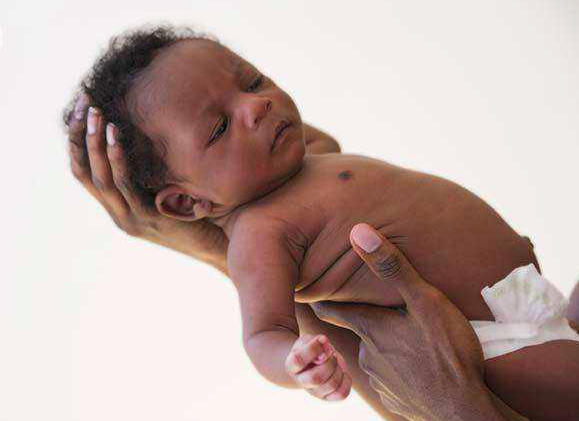
 Thirteen of the 17 Black infants born in Athens-Clarke County in Athens, Ga, between 2010 and 2012 died, according to The Red & Black. the University of Georgia’s student newspaper.
Unfortunately, this depressingly high rate isn’t unique to this town about 45 minutes east of Atlanta.
“This is . . . unfortunate and shocking,” Lou Kudon, program manager at the North-East Health District, told the Red & Black.
Infant mortality rates for Blacks is 2.4 times higher than that of whites, mostly because of preterm births, the CDC says. Preterm birth is when the baby is born before 37 complete weeks of pregnancy. The risk of this in non-Hispanic Black women is approximately 1.5 times the rate seen in white women, the CDC reports.
Kudon says that places with high poverty levels are where the disparity in infant mortality occurs the most.
Black infants are also twice as likely to suffer from Sudden Infant Death Syndrome (SIDS) than non-Hispanic whites, according to an article by Dr. Lois Lee for the Boston Children’s Hospital.
“In addition, black infants have much higher rates of death due to accidental suffocation and strangulation in bed, often caused by unsafe bedding items,” Lee wrote.
Dr. Marian MacDorman, a statistician at the National Center for Health Statistics, said, “The decline in infant mortality among Blacks is more rapid than seen in whites,” according to Healthday Daily Newsfeed. “As the nation’s infant mortality rates decline, Black babies are closing the gap quickly.”
Dr. Jeffery Biehler, a pediatrician at Miami Children’s Hospital, is optimistic that the infant mortality rates will continue to improve in the United States. He says that the increase in education and awareness of infant care after birth is critical.
“We need to continue to advocate for prenatal care for every woman, and make sure they are educated so they know to seek care as early as possible and avoid smoking and alcohol and other things that put them and their babies at risk,” he told Healthday.