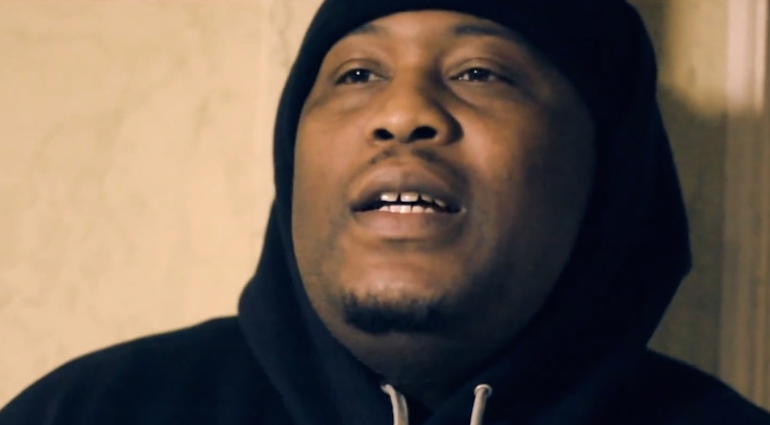
Tiny Doo
San Diego rapper Tiny Doo may be facing life in prison, not because of anything that he did, but because of his rap lyrics detailing gang activity.
Born Brandon Duncan, Tiny Doo is facing attempted murder charges in California after he and 14 other gang members were implicated in nine shootings. Duncan, who has never had any run-ins with the law until now, has not actually been connected to any of the shootings.
So what does Duncan have to do with any of this? Prosecutors are looking to enact a state law that allows for the prosecution of gang members who benefit from the crimes of gang activity and other gang members. According to News10 in San Diego, Duncan clearly expressed his gang affiliation in his music, including his latest album “No Safety.”
Because of this and commonly rapping about gang activity, Duncan fits the bill of someone gaining from gang crime. The prosecution claims that the street cred gained by Duncan and the other gang members have led to more popularity and music sales.
“It’s shocking,” Brian Watkins, Duncan’s lawyer, said. “He has no criminal record. Nothing in his lyrics say go out and commit a crime. Nothing in his lyrics reference these shootings, yet they are holding him liable for conspiracy. There are huge constitutional issues.”
Duncan will be the first person to be tried under the law that Californians voted for. This week, a judge will decide if the case will go to trial.
“Where does that end if that’s the definition of criminal liability? Is Martin Scorsese going to be prosecuted if he meets with mafia members for a movie for his next film?” asked Alex Kreit, Thomas Jefferson School of Law professor. “The Constitution says it can’t be a crime to simply make gangster rap songs and hang out with people that are committing crimes. You have to have more involvement than that.”


