 What did slavery look like in Arkansas during the Civil War?
The answer to that question is the subject of a new exhibit opening in Little Rock, Arkansas, at the Mosaic Templars Cultural Center.
Called “Freedom! Oh, Freedom!” Arkansas’s People of African descent and the Civil War:1861-1866, the exhibit opens today with an opening reception.
The exhibit focuses on the Black perspective of the Civil War through the lens of slavery, Black soldiers and the Reconstruction era in Arkansas.
Quantia Fletcher of the Mosaic Templars Cultural Center told KUAR Public Radio that the exhibit challenges the narrative casting the Union Army as the savior of the state’s Black population.
“African-Americans actively fought for their freedom. I think a lot of times people think about the Civil War and they think about images of the Union Army, sweeping through the south and saving African-Americans, and so the is definitely a story of them being actively involved in the struggle for their freedom,” Fletcher said.
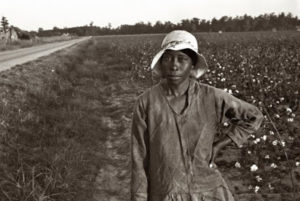
The exhibit will include a 500-pound cotton bale, which would represent the main crop for the 25 percent of Black Arkansans who lived and worked in the region during the Civil War, Fletcher says.
“They will also see clippings of owners looking for runaway slaves, and all of this is from Arkansas. We’re pulling in Arkansas history so you’re not going to see ads from Mississippi or Alabama. These are actual ads that would have been in the paper at the time of slavery,” Fletcher said.
Along with the exhibit, the museum will unveil its 2014 Creativity Arkansas art collection, which features the works of nine artists reflecting the various experiences of Blacks during the Civil War era and the effects of slavery and discrimination. Each piece was created by Black artists with a connection to Arkansas. The art depicts historical places, events and people significant to the state’s Black culture.
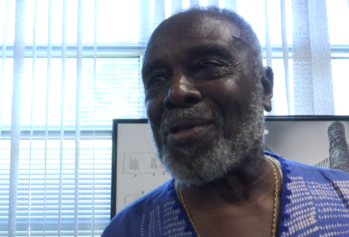
The Opening Reception will feature the exhibit’s guest curator, Ronnie Nichols, a former director of the Old State House in Little Rock. Nichols is a descendant of a Black Civil War veteran and is an author, artist and genealogist.
The exhibit, which is sponsored in part by a grant from the Arkansas National and Cultural Resource Council, will run through Dec. 31, 2015.