Gina Prince-Bythewood
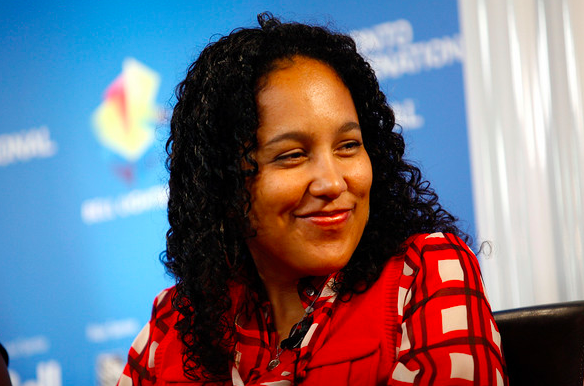
While no stranger to Black love films, filmmaker Gina Prince-Bythewood told NPR that it is one of her goals to obliterate the term “Black film.”
The creative mind behind the classic Love and Basketball, The Secret Life of Bees, and now the new movie Beyond the Lights, Prince-Bythewood loves to tell stories about love.
“There’s a perception in the world that Black people don’t love each other, that they don’t get married,” she said. “And it’s because we don’t see it, there are never any images of that in TV and film. I mean, we have the President and First Lady, thank goodness, but that’s it. Without those images young Black people have nothing to aspire to and the world continues to perpetuate this myth about the lack of Black love. It’s important for me to make us visible in universal stories.”
Her newest film Beyond the Lights tells the story of a famous singer who is being controlled by her career and a policeman who is being pushed by his father to go into politics. The story focuses on their journey of self-discovery and finding themselves in each other.
“It’s about empathy,” the filmmaker said. “The fact that you can see my films and empathize with these lead characters no matter their color, because they are going through the same things everybody else does. The more we can do that in film and television, I really think it can improve the world. That’s my drive.”
Through her plight to bring people from every background together over story lines of love, Prince-Bythewood has come to dislike the term “Black film,” finding it narrow and forced.
“That’s like saying Think Like A Man is the same as 12 Years a Slave, they’re not,” she said. “One is a period piece and one is a comedy. This is a love story. That term allows studios to marginalize a movie and say ‘we’ve made our Black film.’ I just feel like people of color should be in every genre. So that is really my push.”