Bob Geldof is to re-record Band Aid’s “Do They Know It’s Christmas?” the 1984 charity anthem that mobilised resources for a famine that devastated parts of northern Ethiopia and present day Eritrea between 1983 and 1985.
He has again brought together famous friends such as One Direction, Bono, and Chris Martin of Coldplay for what is, remarkably, the song’s fourth revival. This time, Geldof says he hopes to raise resources to fight Ebola. On the surface that seems like an act of goodwill, so what’s wrong with it? Plenty.
A distorted image of victimhood
Band Aid, and the related Live Aid concerts, raised over $100m for the Ethiopian famine victims. They galvanised a public that had largely been indifferent, marking a watershed for how celebrities engaged with humanitarian issues and how organisations conducted fundraising appeals. However, with unfounded and inaccurate lyrics, the Christmas song not only created misconceptions about Ethiopia, but it did so in a patronising way.
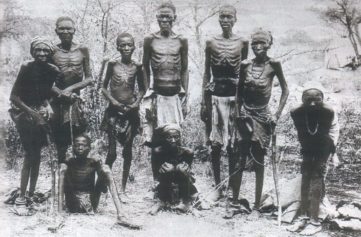
Despite the fact the famine was localised to northern Ethiopia and a result of political manipulation, the songs, concerts, and fundraising appeals perpetuated a single, negative, and distorted view of Ethiopia, making it synonymous with famine, poverty, and desperation.
The Band Aid and Live Aid campaigns left Ethiopia with a stigma that Ethiopians and Africans carry to this day. In fact, according to a 2001 research study on the legacy of Live Aid, 80 percent of British citizens associate the developing world with poverty, hunger and need. This type of stigma doesn’t just leave Africans with a public relations problem; it can have broader implications for tourism, investments and other opportunities necessary for self-governance and autonomy.
While the historical context described above is important to understanding the strong reactions against #BandAid30, the problem also lies in its detachment from reality today. Africa and African countries have changed. Whereas in 1985, Ethiopians, under a repressive, communist regime, were not able to organise, Liberians, Sierra Leoneans, and Guineans have been responding to Ebola since the beginning of the outbreak in March.
Read more at: aljazeera.com