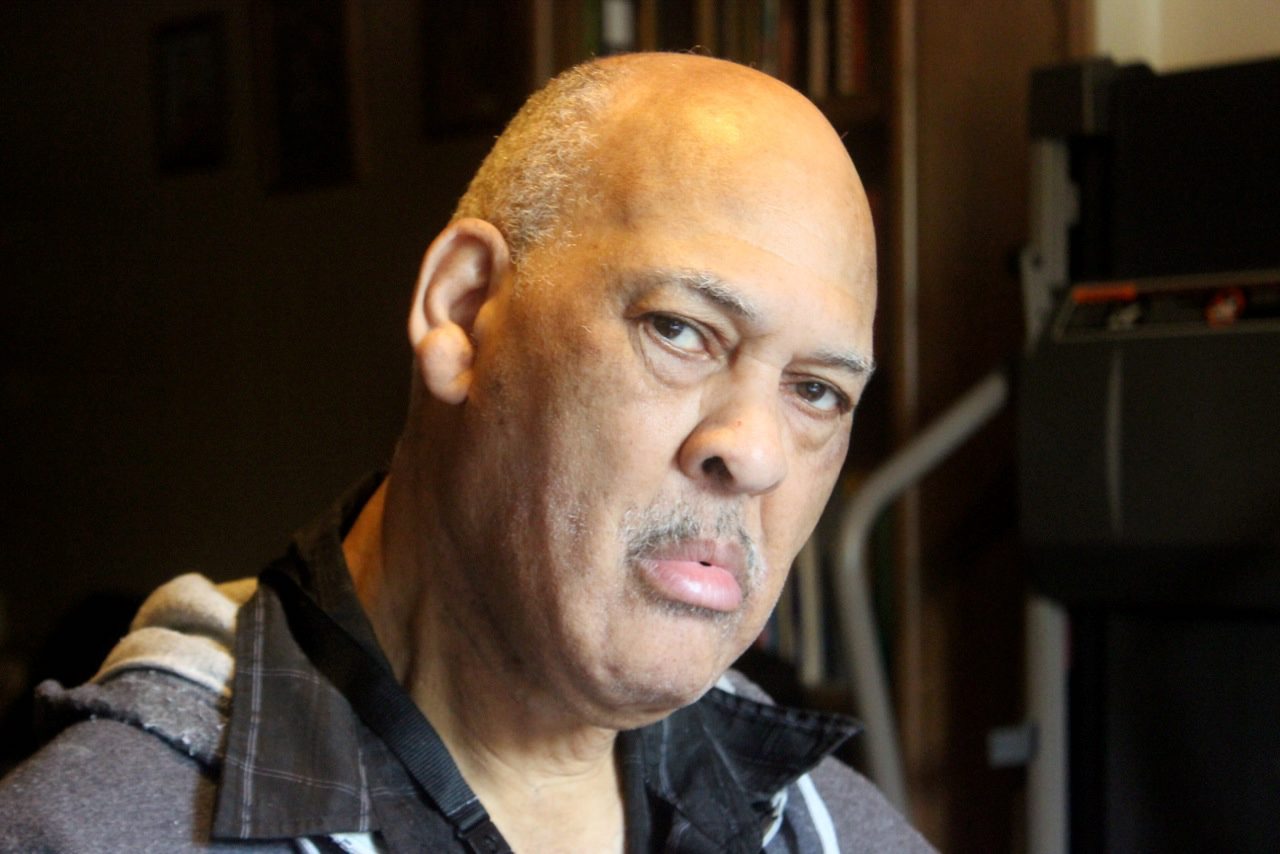
Source: Washington Times
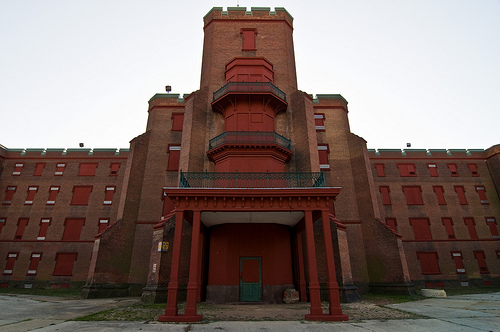
For the last 40 years Franklin Frye has spent his life inside a D.C. psychiatric hospital after he was determined to be unfit to stand trial for allegedly stealing a necklace worth roughly $20.
According to Frye, authorities never even found the necklace on him but that didn’t stop them from ordering him to check in to St. Elizabeth’s psychiatric hospital, where he was allegedly abused and forgotten for decades.
It’s a punishment that is far worse than what would have happened if Frye had stood trial and been found guilty.
What could have ended with nothing more than a fine and a short sentence behind bars ended with Frye allegedly being stabbed and the condition of his mental health only getting worse.
It’s the type of situation that Steve Salzburg, a law professor at George Washington University and former deputy assistant attorney general, can only describe as a “tragedy.”
“You end up being caught up in the system in a way you wouldn’t have if you were just guilty,” he told the Washington Times. “It’s a tragedy.”
While the chief of staff of the D.C. Department of Behavioral Health, Phyllis Jones, insisted in an email to the Washington Times that Frye was receiving the “appropriate care,” Frye’s loved ones don’t agree.
“Now he can hardly stand up because of all the medications he’s on, and I don’t think they can justify why they’re giving him all of this medicine,” Frye’s older brother, William Frye, told the Washington Times. “He’s much worse now.”
Frye also opened up about cringe-worthy stories of being stabbed and brutally attacked while at the facility.
There are no records of any attacks but Frye did reveal multiple scars on his abs and another across his collarbone.
Frye never accused the staff or other patients of being the ones responsible for the stab wounds but he did reveal that he has spotted many patients wearing the clothes his brother buys for him.
 According to Frye, his brother will send him new clothes and shoes but he will never receive any of the gifts. Before he realizes it, complete strangers are in the halls wearing the clothes he never received.
To add to his troubles, it seems the judicial system isn’t offering any help. In fact, it’s a huge part of the problem.
Through the D.C. public defender’s office, Frye sought unconditional release back in 2008 but his motion landed on the docket of a dead judge.
It remained there for roughly six years and neither Frye nor his family received an apology or an explanation.
“If they didn’t follow up because they forgot about the case, that’s a serious breakdown,” said David Sklansky, a former prosecutor and now professor at Stanford University. “But regardless of the reason whether the public defender had a reason not to follow up, it’s hard to see any good reason for the court to take so long to reassign the case.”
Meanwhile, officials at the hospital say they are refusing to release Frye because his “schizo-affective disorder, bipolar type” conditions have not improved.
In court documents, lawyers insist that Frye has been unable to “comply with hospital rules.”
Frye says hospital staff has been lying about his behavior.