Some TV critics have proclaimed that Americans are living in a golden age of TV. With shows like Breaking Bad, Mad Men, Scandal and many others, it can be easy to say that. However, there are a surplus of TV shows that reinforce negative stereotypes of people of color and plague the airwaves. A great number of these are reality TV shows that focus around African-American entertainers. Some are harmless, like R&B Divas. Others, like Love and Hip Hop, offer great drama but portray Black people in a negative way. According to race relations expert Nadra Kareem Nittle, there are five different types of stereotypes of Black people on TV. They are the Magical Negro, Black Best Friend, Thugs, Brash Women and Domestics.
The Wire
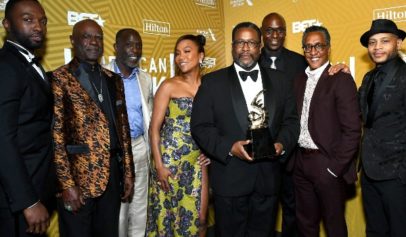
As entertaining as HBO’s The Wire was, all of the main characters were portraying thugs, drug dealers and criminals. According to Nittle, “the disproportionate amount of African Americans playing criminals in Hollywood fuels the racial stereotype that black men are dangerous and have zero respect for the law.”
 Love and Hip Hop
This VH1 reality show is probably the most intense reality to date because it shows an array of verbal and physical abuse in Black relationships that is disturbing. Viewers must admit that some of these relationships are toxic. Sadly, that is what feeds the drama. According to writer Sil Lai Abrams in an article from The Grio, “the emotionally abusive and disrespectful behavior of male cast members such as L&HH’s Stevie J that reinforces the idea that a black man’s power is best expressed through unbridled and unprincipled sexual behavior, as just one example of [this] show’s many horrible messages.”