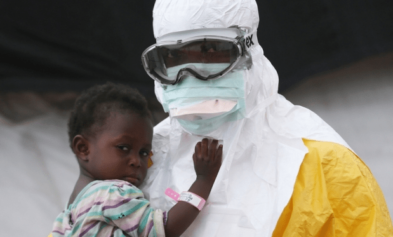
A solid majority of Americans would like to ban people from entering the U.S. who are traveling from the three African nations that have been devastated by the Ebola virus — Liberia, Sierra Leone and Guinea, according to a Washington Post/ABC News poll.
The poll found that 67 percent of respondents support restricting entry to the United States from those countries, while another 91 percent would like to see stricter screening procedures at U.S. airports. The poll was taken after Thomas Eric Duncan died of Ebola in a Dallas hospital after coming here from Liberia.
On the last day of the polling, media outlets reported that 26-year-old Dallas nurse Nina Pham had contracted Ebola, according to the Post.
Combined with the fact that some European locations have restricted flights from these West African countries — such as the United Kingdom banning direct flights from Sierra Leone — and many U.S. lawmakers calling for banning West African travel, the Obama administration is facing increasing pressure to institute a ban. But U.S. health officials, including Centers for Disease Control and Prevention director Tom Frieden, have said repeatedly that further isolating the countries with a travel ban will only worsen the spread of the disease because it will restrict the ability of outsiders to help.
After the U.S. biopharmaceutical conglomerates let Ebola fester for years without pursuing a cure or vaccine largely because it seemed there was little profit to be derived from battling a disease that appeared to be isolated to poor, Black countries, it comes as little surprise that the American public now wants to turn its back on West Africa and ban all travel from these three nations.
Democrats are twice as likely as Republicans to oppose a ban on travel from the affected countries, with close to 40 percent of Democrats saying they oppose a ban. But a majority of Democrats, about 60 percent, support a ban, according to the poll.
The poll reveals that Americans still haven’t begun to worry about their own personal safety. While about two-thirds (65 percent) of respondents say they are concerned about an Ebola outbreak in the United States, only 43 percent are worried about themselves or someone in their family becoming infected — including 20 percent who are “very worried.”
A Pew poll taken last week before Duncan died showed just 11 percent were “very worried.”