Credit: Chris Carruth/ PhotographyIsNotACrime.com
All across YouTube, Vine, Instagram and other social media platforms, users have watched videos of police brutality that inevitably involved an officer instructing the person filming to put the camera or cellphone away.
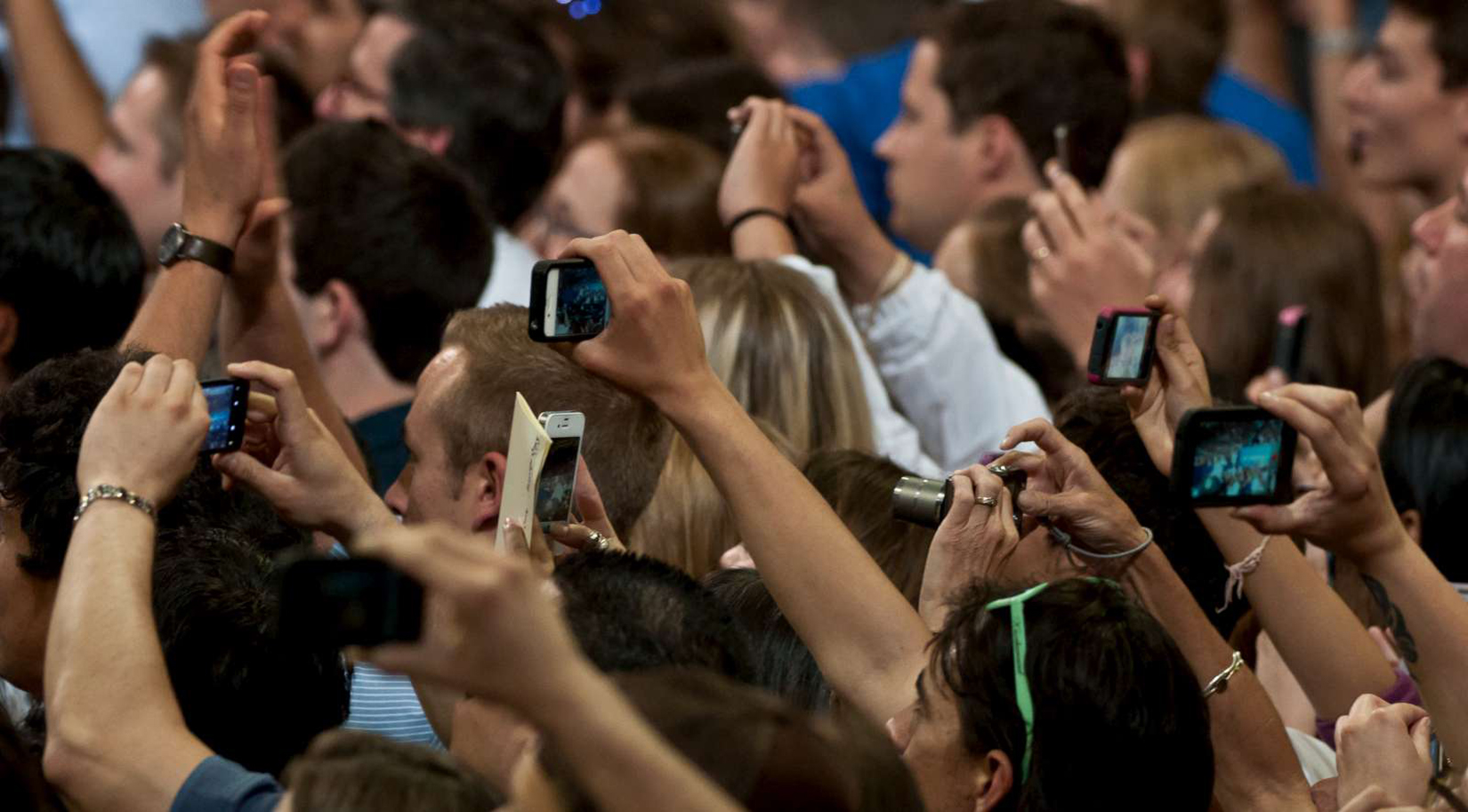
As more and more officers intimidate citizens and pressure them to step away from the cellphone, it’s important to note a major flaw in that rather aggressive demand – it is indeed perfectly legal to film police officers.
As long as the person filming does not interfere with what the officers are doing, they are not only allowed to film officers, but they are encouraged to as well.
Donna Lieberman, executive director of the New York Civil Liberties Union, says it is essential that more citizens put their cellphones to use when witnessing police partaking in questionable behaviors or activities.
“When police wrongdoing is captured on videotape, it makes the public understand what has happened and why we need to hold the police accountable, and that we need changes in the way police do business,” Lieberman told the Huffington Post.
She even pointed to Rodney King, who was beaten by Los Angeles police officers in 1991.
“Nobody would have believed what happened to Rodney King if it hadn’t been caught on videotape,” she said.
That sentiment still holds true today.
Cellphone footage captured the aggressive July arrest of Eric Garner, the New York native and father of six who was killed after being placed in a NYPD-banned chokehold by officer Daniel Pantaleo.
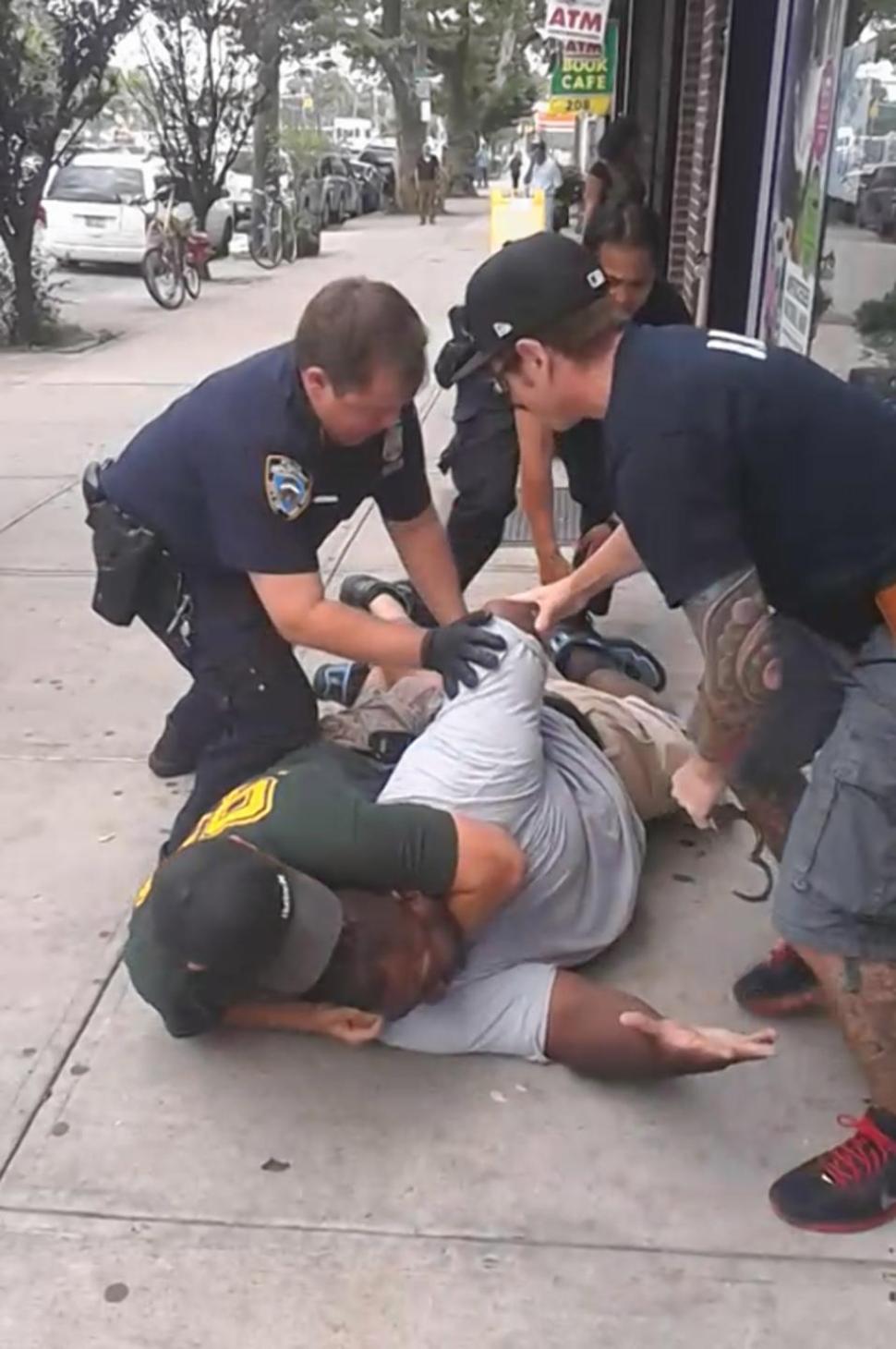 Thanks to the footage, there was not only evidence of the illegal tactic being used by an officer but also audio that picked up Garner telling the officers he couldn’t breathe.
In another case, two journalists were physically attacked and arrested after they refused to put away their cameras while recording officers evacuating a McDonald’s in Ferguson, Missouri.
The Web, unfortunately, has always been full of cringe-worthy videos that capture police brutality as it happens, and now these types of clips are getting major media coverage.
According to the Huffington Post, four videos alone have gone viral after capturing police officers using excessive force and illegal chokeholds.
These videos could potentially hold the key to putting a stop to police brutality.
Officers need to know that they are being watched – not just by bystanders, but also by the entire world.
Millions of YouTube subscribers, Twitter users and Facebook friends can log on and witness cases of police brutality unfolding.
While it seems like a surprising tool of choice for the everyday vigilante, it’s perhaps the most powerful tool the public has against authorities.
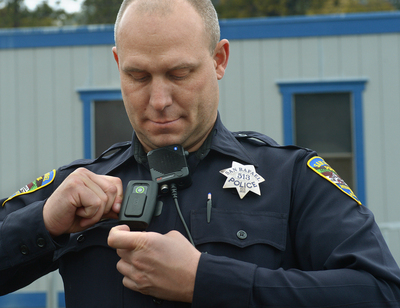
Local governments across the country are on the fence about implementing police body cameras in their local communities despite the fact that statistics prove that the body cameras can chop down on citizen complaints and excessive police force.
The Rialto Police Department in California implemented the use of police body cameras back in 2012, according to The New York Times.
A recent study revealed that in just one year, complaints filed against the department were down by 88 percent.
Credit: Robert Tong/Marin Independent Journal
Use of force by officers decreased by 60 percent.
Police Chief Tony Farrar explained that it’s just human nature to make a conscious effort to do the right thing when you know you are being watched.
“That’s just human nature,” Farrar told reporters in March. “As an officer, you act a bit more professional, follow the rules a bit better.”
Until police body cameras are implemented on a national basis, it’s important that citizens continue to step in where body cameras are needed.
Citizens should never interfere with police, nor provoke them or taunt them while filming.
Lieberman encourages citizens to be as discreet as possible.
“It’s important that they do not insinuate themselves into what’s going on,” she said. “You can film, but you can’t interfere with police activities. I think that people have to be discreet because there are many officers still who don’t understand their obligation to respect the rights of the public to take pictures.”