8 Memorable Films About Slavery: What They Got Right and What They Got Wrong

12 years A slave

12 Years a Slave

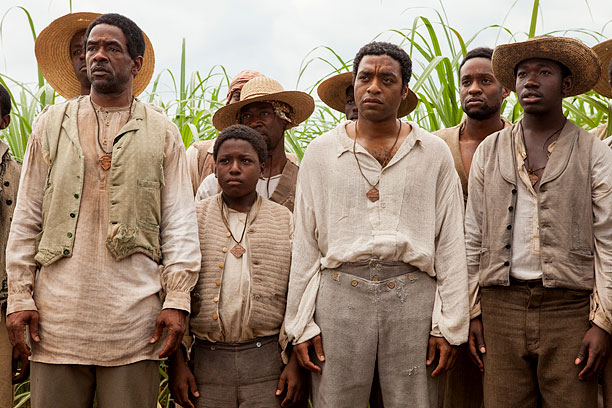
Director Steve McQueen’s award-winning film 12 Years a Slave (2013) has been hailed as one of the greatest movies about slavery ever. The 2013 historical drama is an adaptation of the 1853 slave narrative memoir of the same name by Solomon Northup, a New York state-born free Black man who was kidnapped in Washington, D.C., in 1841 and sold into slavery. Northup worked on plantations in the state of Louisiana for 12 years before his release. Actor Chiwetel Ejiofor played Northup while Lupita Nyong’o played Patsey, a young enslaved woman who befriends Solomon.

What It Got Right

The film was praised for its unapologetic, unflinching account of the brutal and inhumane reality of slavery in the United States. Critics and moviegoers alike widely expressed how painful the movie was to watch because of the horrific depiction of the destruction of Black human beings onscreen.

What It Got Wrong

The film’s use of actor Brad Pitt to satisfy Hollywood’s desire for a “white savior,” came off as self-serving. “It’s all so credibly enacted that once Brad Pitt (whose Plan B productions produced the film) arrives in a bit part as a kind-hearted Canadian who visits the plantation and speaks out against slavery, the character’s messianic qualities seem like a bit much,” wrote Indiewire film critic Eric Kohn.

Democracy needs journalism it can trust.

This election season, the stakes are higher than usual — and so is the pressure on newsrooms to soften their coverage, stay quiet, or just disappear. Independent reporting, the kind that answers to readers instead of advertisers or political pressure, matters more in a moment like this, not less.

For over 14 years, Atlanta Black Star has stayed independent and reader-funded. We have no corporate owner and no shareholders telling us what to cover or how to cover it. That independence is also our biggest vulnerability: nothing protects it except readers choosing to fund it directly.

Newspaper ad revenue has fallen more than 80% since 2005, and local newsrooms are closing at a rate of roughly two a week nationwide. When outlets go under in a moment like this, it's rarely the independent, reader-funded ones that get to stick around.

We know a request for support isn't why you came here. But without readers choosing to fund this work directly, the depth of reporting we can do at home and abroad shrinks along with everyone else's. If you're not in a position to give, that doesn't change how much we value you as a reader.

If you are able to, a recurring contribution does more for us than a single one-time gift, because it lets us plan the next investigation instead of just the next invoice. It takes about 30 seconds, no long form, no account. Thank you for continuing to support independent journalism and freedom of the press.

Back to top