13 Shocking Insights Into Islam and the African Continent

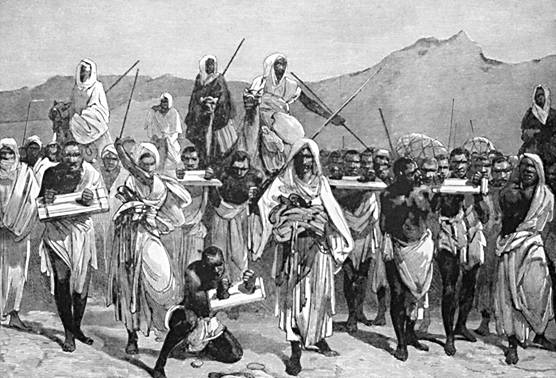
Arabslavers

Islam Appears in Africa

Islam was first introduced to Africa in Somalia in the early seventh century by Muslims Arabs fleeing persecution from the pagan Quraysh tribe on the Arab Peninsula. Later, it was ingrained with the Arab Islamic military invasion of Africa in 647 C.E., during the third reign of Caliph Uthman ibn Affan, ruler of Mecca, according to Islamonline.

In sub-Saharan Africa, people often converted to Islam to keep trade open and to avoid being sold into slavery. Africans believed Islamic conversion would create mutual respect but since slavery is justified in the Quran, there was no guarantee of avoiding bondage.
 

STC168911

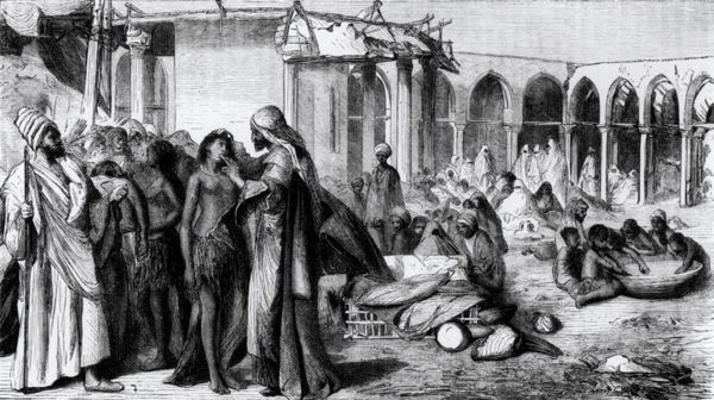
Islamic Slave Trade

According to an arabslavetrade.com article, “Denials of Islamic Slavery,” the slave trade in Africa lasted 14 centuries and has continued to the present day in Mauritania, Niger, Sudan and in isolated incidents across the continent.

The cultural practice of slave ownership in Niger was not banned until 2005. In Mauritania, an estimated 600,000 people are described as “modern-day slaves,” in debt bondage, forced marriage and victims of human trafficking.

In a 2014 theinternational.org article, writer Rachael Hancock reported that in the four years since slavery has been criminalized in Mauritania, only two cases have been investigated and just one person convicted.
Democracy needs journalism it can trust.

This election season, the stakes are higher than usual — and so is the pressure on newsrooms to soften their coverage, stay quiet, or just disappear. Independent reporting, the kind that answers to readers instead of advertisers or political pressure, matters more in a moment like this, not less.

For over 14 years, Atlanta Black Star has stayed independent and reader-funded. We have no corporate owner and no shareholders telling us what to cover or how to cover it. That independence is also our biggest vulnerability: nothing protects it except readers choosing to fund it directly.

Newspaper ad revenue has fallen more than 80% since 2005, and local newsrooms are closing at a rate of roughly two a week nationwide. When outlets go under in a moment like this, it's rarely the independent, reader-funded ones that get to stick around.

We know a request for support isn't why you came here. But without readers choosing to fund this work directly, the depth of reporting we can do at home and abroad shrinks along with everyone else's. If you're not in a position to give, that doesn't change how much we value you as a reader.

If you are able to, a recurring contribution does more for us than a single one-time gift, because it lets us plan the next investigation instead of just the next invoice. It takes about 30 seconds, no long form, no account. Thank you for continuing to support independent journalism and freedom of the press.

Back to top