 Nigeria says it has put all entries into the country on red alert after confirming the death of a Liberian man who was infected with the Ebola virus.
The man died after arriving at Lagos airport on Tuesday, in the first Ebola case in Africa’s most populous country.
Surveillance has been stepped up at all airports, seaports and land borders, said Health Minister Onyebuchi Chukwu.
Since February, more than 660 people have died of Ebola in West Africa – the world’s deadliest outbreak to date.
It began in southern Guinea and spread to Liberia and Sierra Leone.
‘Contact avoided’
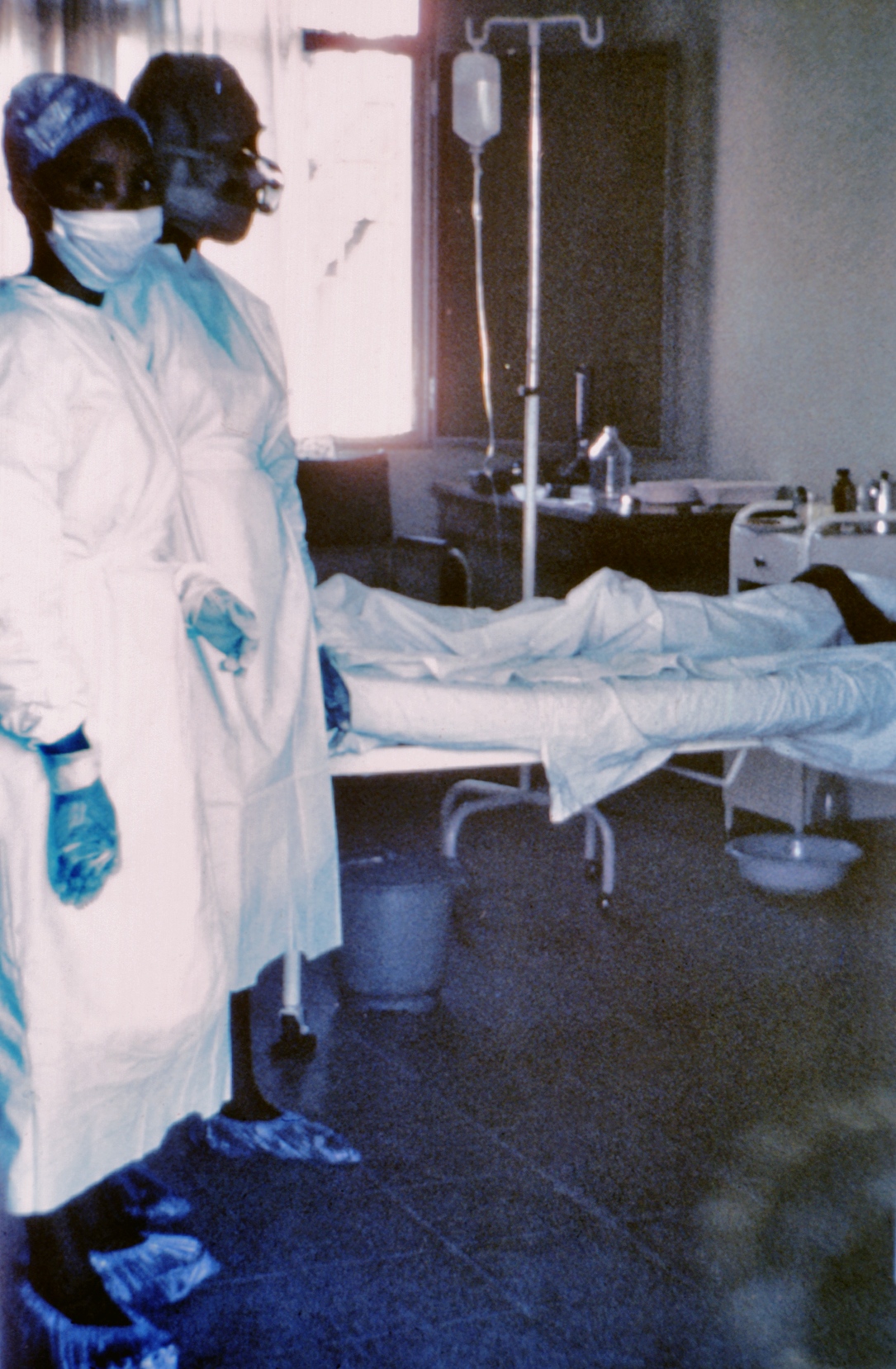
The Liberian man collapsed on arrival in Lagos last Sunday. He was taken from the airport to hospital, where he was put in quarantine.
Officials have identified the 40-year-old man as an employee of the Liberian government.
Ebola, which is highly contagious, spreads via bodily fluids, including sweat.
Chukwu confirmed that the other passengers on board the flight had been traced and were being monitored.
The patient had “avoided contact with the general public” between the airport and the hospital, he said.
Health specialists have been deployed at all entry points into the country, he added.
The virus, which kills up to 90 percent of those infected, spreads through contact with an infected person’s bodily fluids.
Patients have a better chance of survival if they receive treatment early.
Symptoms include high fever, bleeding and central nervous system damage. The incubation period is two to 21 days and there is no vaccine or cure.
Supportive care such as rehydrating patients who have diarrhea and vomiting can help recovery. Fruit bats are considered to be the natural host of the virus.
The red alert in Nigeria comes as Sierra Leone launches a hunt for a woman infected with Ebola, who was forcibly removed from hospital by her relatives.
The 32-year-old, who is the first registered Ebola case in the capital Freetown, was described by national radio as a “risk to all.”
Read more at http://www.bbc.com/