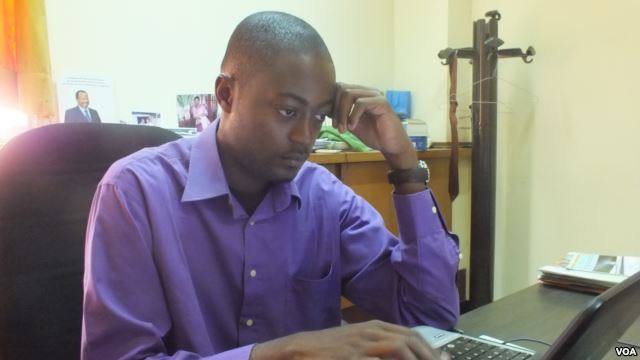
YAOUNDE, Cameroon — Cameroon is experimenting with Africa’s first system to transmit a cardiac signal over a mobile network, allowing heart patients in remote areas vital medical assistance. The Cardiopad is the brainchild of Cameroon engineer Arthur Zang, who was just 24 years old when he invented it two years ago.
Medical staff at the Bafia hospital are using a touch-screen medical tablet that enables heart examinations, such as the electrocardiogram, to be performed at remote, rural locations while the results of the tests are transferred wirelessly to specialists who can interpret them.
A 55-year-old patient, Simplice Momo, said the Cardiopad saves him time and money, accessing treatment in the capital, where the nearest heart specialist is found.
“It has been about a year now that they said I had a cardiovascular disease. I have been traveling to the city to take treatment. But since they brought this machine [device], they just put the machine on me and I no longer travel to the city. It was expensive for me,” said Momo.
Cameroon has a population of about 22 million people, with only 40 heart surgeons concentrated in its largest city, Douala or capital, Yaounde. Sometimes the expertise needed can only be found outside the country.
Saint Elizabeth Cardiac Center nurse, Apolonia Budzee, told VOA that the device will enable them to transmit medical information from the center’s more than 300 patients to specialists who are based in Europe.
“We do not have a resident surgeon. So we have various teams coming from Italy, from France, Sweden, Germany and other places. So we are not working on a daily basis. We collect the patients and then program and call the people up to come and operate,” said Budzee.
Read more at voanews.com