 The two main factions in the Central African Republic’s conflict have taken a tentative step toward ending violence that has killed thousands and forced more than a million people to flee their homes.
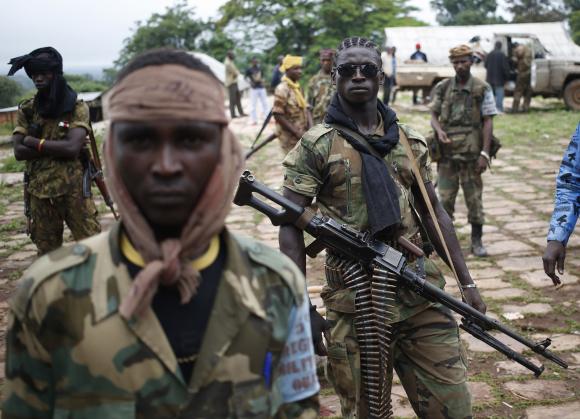
The mainly Muslim ex-rebel Seleka coalition and the Christian militias known as anti-balaka set up a joint committee of six members each on Thursday to prepare for peace talks under the auspices of conflict-resolution group PARETO.
The committee represents a second step, after the two sides held an initial meeting this month, according to Béni Kouyaté, vice-coordinator of PARETO.
Few concrete details of the talks have emerged, but both sides told Reuters they were optimistic they could lead to something substantial.
“This initiative will lead us towards reconciliation, to peace. That’s what we all want in this country,” said senior Seleka official Eric Massi.
“We agreed on all the mediation principles that we want to lead us to peace. For our part, there’s no problem, but it’s up to the leaders of the Seleka to convince their leaders who are in Bambari to have faith in this process,” said Sebastien Wenezoui, assistant coordinator of the anti-balaka.
Violence continued this week as more than 50 people were killed in two days of clashes in Bambari, 380 km (240 miles) northeast of the capital Bangui.
Bambari sits on a sectarian fault line. An attack by mainly Christian militia on its outskirts led to waves of reprisals by Muslim youths and fighting inside the town.
Seleka rebels seized the capital of the majority Christian nation last year. They relinquished power under international pressure in January, but abuses they committed fueled the rise of Christian militias responsible for revenge attacks that have driven most Muslims from Bangui and the west.
Source: reuters.com