Some of the world’s biggest brands are quietly preparing their customers for what they see as the next big technology shift. If they have are right, all the power cords and battery chargers that have been cluttering our homes and offices for decades will soon be headed for the nearest landfill. For years, wireless power has been a technically possible and universally desirable geek obsession, fueling dueling standards and an array of gadgets. But so far, the required ecosystem of pervasive charging spots along with a critical mass of chargeable devices has failed to emerge. That may, however, be at about to change.
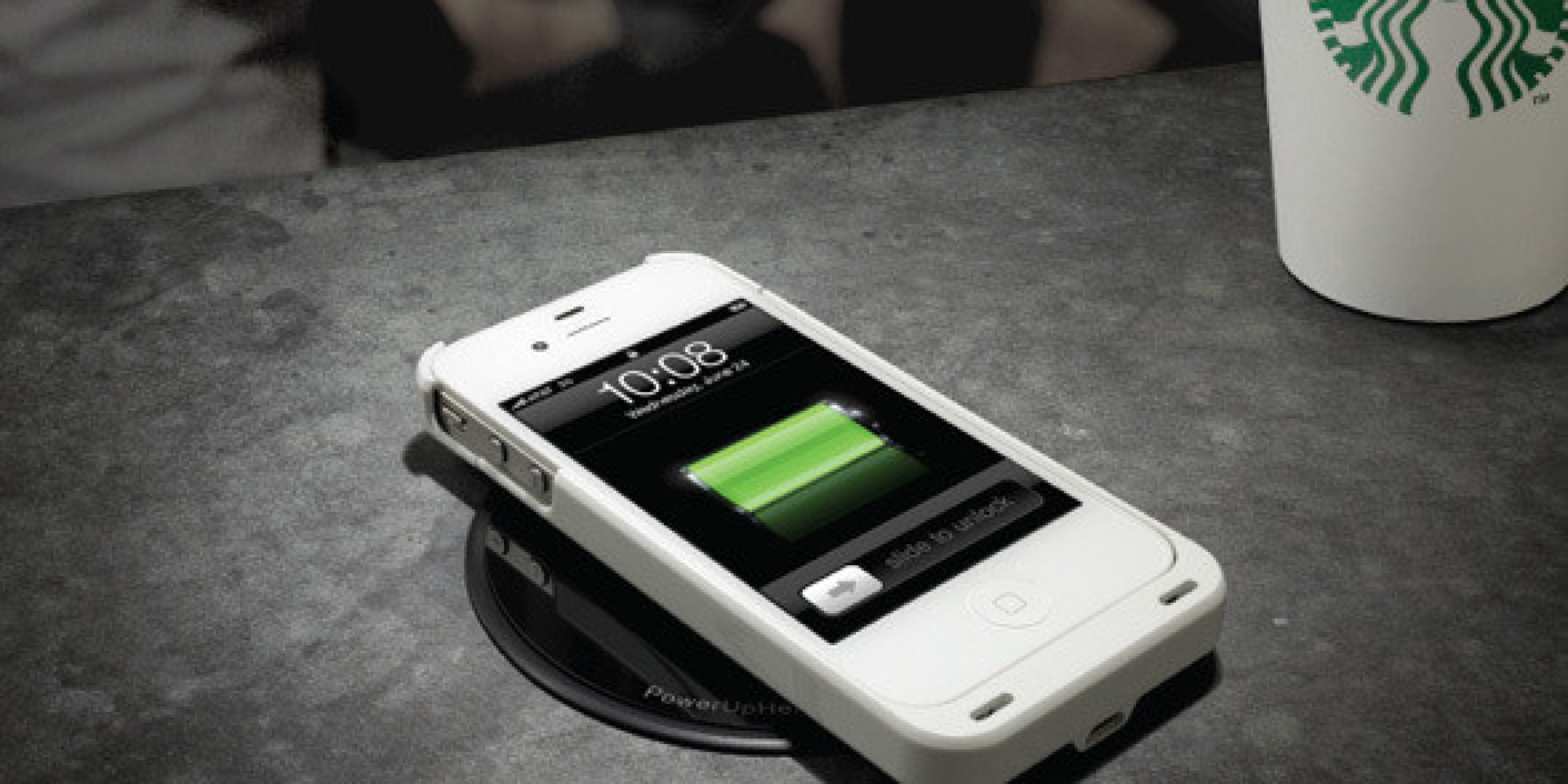
Starbucks will announce the rollout of 100,000 wireless charging spots in coffeehouses around the United States. While it’s still early days, the number of devices embedded with wireless charging capabilities is growing. More than five dozen models have already been released, and there’s a distinct possibility that Apple AAPL -1.09% will include wireless charging in the new iPhone 6, according to media reports last week.
Daniel Schreiber, the president of Powermat, one of the leading providers of wireless charging technology, learned a valuable lesson from Wi-Fi’s early days. “Standards are set in coffee shops, not conference rooms,” he said last year during a trip to Israel where Powermat is headquartered.
Powermat originally participated in a standards body known as the Wireless Power Consortium, but it broke away in early 2012 to form the Power Matters Alliance along with initial members from Procter & Gamble PG -0.15%/Duracell, Energy Star, eMerge Alliance, Google GOOGL +0.12%, the Lawrence Berkeley National Laboratory, Sony Pictures Entertainment, General Motors, Facebook and the National Grid. The alliance has since grown to include more than 100 members including Samsung, Qualcomm and AT&T Mobility.
The goal of the alliance was to create the missing ecosystem—something that alliance members felt the consortium was failing to do. Powermat had already started to build bridges with the automotive and consumer products industries, and it hoped the alliance would provide additional momentum.
Over the next two years more than 2,000 charging spots that adhered to the PMA standard were installed in airports and hotels in the United States and Europe. A joint venture with Procter & Gamble called Duracell Powermat secured deals with McDonalds and arranged to put 550 charging spots in Madison Square Garden. Starbucks first introduced the charging spots in its coffeehouses in Boston in the fall of 2012 and later expanded the pilot to Silicon Valley in 2013.
Whatever standard prevails, the days of power cords and chargers are surely numbered. Once carriers, handset makers and car manufacturers commit to a single standard, it will just be a matter of time before wireless charging spots become as pervasive as a hot cup of coffee.
source: forbes.com