Obesity Rates Worldwide Haven’t Been Lowered in 33 Years

Obesity

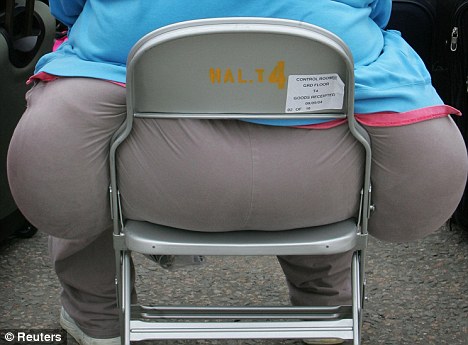
Nearly 30 percent of the world’s population is overweight or obese, and not one country has reduced its obesity rate in 33 years, according to a new study combining three decades of data from 188 countries, published in The Lancet last month.

Though there are patterns, obesity is not evenly distributed by region, by ethnic group or by national income levels. It is more common among women than men, especially in poor countries.

Although 13 percent of the world’s obese people live in the United States, the world’s richest country, 62 percent live in poor or middle-income countries. Countries with the highest rates included Tonga, Samoa and Kiribati in the South Pacific and Kuwait, Libya and Qatar in the Middle East.

Citizens of many Middle Eastern countries, including Egypt and Saudi Arabia, gained the most weight over the last 30 years.

By contrast, almost all of Asia remained thin. The two Koreas, vastly different in wealth, are both low, though South Koreans are somewhat fatter.

Countries near each other may differ greatly. Few Tunisians are obese, while many Libyans are. Bhutan’s obesity rates are five times as high as Nepal’s.

The widest fluctuations were in Africa. Island nations like Mauritius and the Seychelles had obesity rates nearly 10 times those of Ethiopia and Burundi, for example. Relatively prosperous South Africa had the highest female obesity rates, but obesity was also surprisingly high in a few poor nations like South Sudan and Equatorial Guinea.

Read more: NY Times

Still independent.

We hope this story was worth your time. For over 14 years, Atlanta Black Star has stayed Black-owned and independently run. We didn't get here by waiting on ad budgets that were never built to prioritize us. Our readers did that.

Corporate support for Black media has always been thin. Outlets like ours get roughly 1% of the $170 billion spent on U.S. advertising each year, and that margin is shrinking further as advertisers walk back the DEI-linked commitments they made in 2020. That's the backdrop. It's not why we're asking.

The wider picture isn't any steadier. Newspaper ad revenue has fallen more than 80% since 2005, and local newsrooms are closing at a rate of roughly two a week nationwide. When outlets go under, it's rarely the ones built to center a Black perspective from the ground up that get to stick around.

We know a request for support isn't why you came here. But without readers choosing to fund this work directly, the depth of reporting we can do at home and abroad shrinks along with everyone else's. If you're not in a position to give, that doesn't change how much we value you as a reader.

If you are able to, a recurring contribution does more for us than a single one-time gift, because it lets us plan the next investigation instead of just the next invoice. It takes about 30 seconds, no long form, no account. Thank you for continuing to support independent journalism and freedom of the press.

Back to top