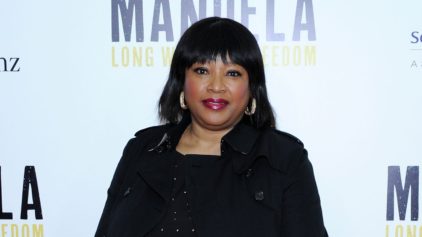
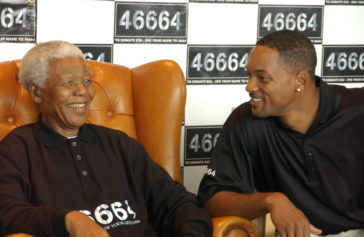
According to the screenwriter behind “Mandela: Long Walk to Freedom,” the real reason the film didn’t have major box office success or Oscar notoriety was because “12 Years A Slave” had already “sucked up all the guilt about Black people.” He also bashed Nelson Mandela as a “boring” speaker and claimed he was tired of hearing about him after he passed away.
It’s an extremely unfortunate story as it turns out that the man in charge of portraying the life of one of the world’s most influential leaders lacked any real passion for the man or his legacy.
William Nicholson, the screenwriter behind the Nelson Mandela biopic, has been the target of serious backlash after he shared why he felt “Mandela: Long Walk to Freedom” never became a box office hit.
He claims that 15 years of hard work on the script was ruined by “12 Years A Slave.”
“’ 12 Years A Slave’ came out in America and that sucked up all the guilt about Black people that was available,” Nicholson said.
He went on to say, “They were so exhausted feeling guilty about slavery that I don’t think there was much left over to be nice about our film. So our film didn’t do as well as we’d hoped, which was a bit heartbreaking.”
He went on to explain that the team behind the film showed the movie to several test audiences and received “astounding responses.”
After released the film to the big screens, however, Nicholson says the film was nowhere near “a winner.”
“I really thought it was going to win lots of awards, partly because it’s a good story but also because I thought I’d done a really good job and the director had done a really good job,” he said. “So it has been very tough for me. Some things work and some things don’t.”
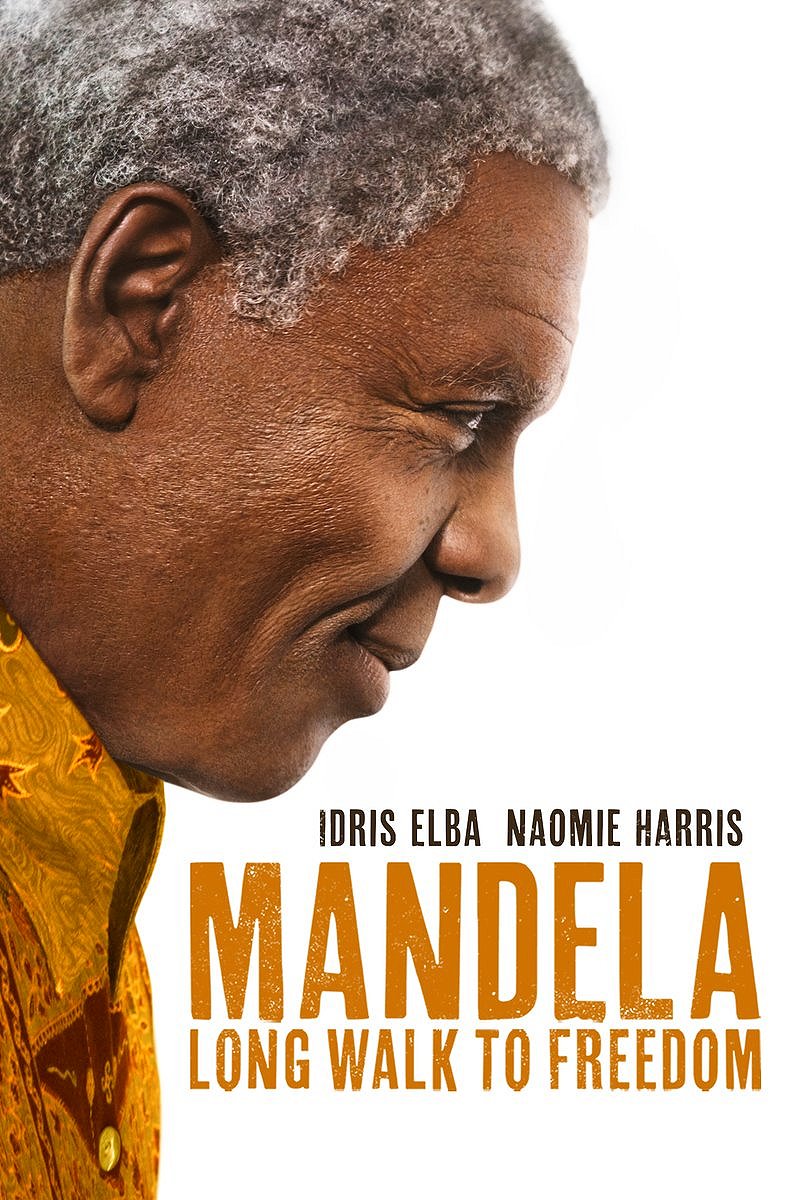 While “Mandela” didn’t bring home tons of major awards, the purpose of the film was much greater than Oscar nominations or box office revenue, an aspect that Nicholson clearly missed.
The film was about preserving and honoring a great man’s legacy – not about trying to profit from “guilt about Black people.”
As he continued his interview with the Daily Telegraph, one thing became glaringly obvious.
Although his was the mind behind the writing of the biopic about Mandela, it seemed that Nicholson lacked true concern about his story and even admitted that he found Mandela “boring” and said he wanted to stop hearing about him.
“All but one of the speeches were made up by me because his own speeches are so boring,” Nicholson said. “I know it sounds outrageous to say a thing like that, but when he came out of prison he made a speech, and, God, you fell asleep.”
After Mandela died, Nicholson said he found America’s response rather annoying and complained about having to hear too much about him.
“Suddenly the word came through that he died,” he said. “We were deluged with Mandela stuff and after a week we all thought, ‘please, take it away, we’ve heard enough about Mandela.’”
Meanwhile, the Mandela biopic continues to struggle and has yet to make back the $35 million that was spent on production and casting.
Now that the man behind penning the film has openly bashed Mandela and wallowed in his own selfish desires for the film, it isn’t likely that the movie will have any help in finally breaking even.