Credit: Reuters/Andrew Burton
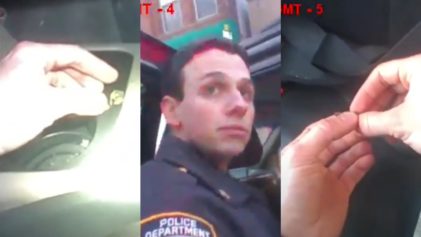
New York police have been interrogating Muslims who have been arrested for minor crimes in an attempt to continue to recruit informants in the midst of post-9/11 fears, according to The New York Times.
Over a decade has passed since attacks shook the nation back on Sept. 11, 2001, but the fear of more terrorists’ attacks still lives on.
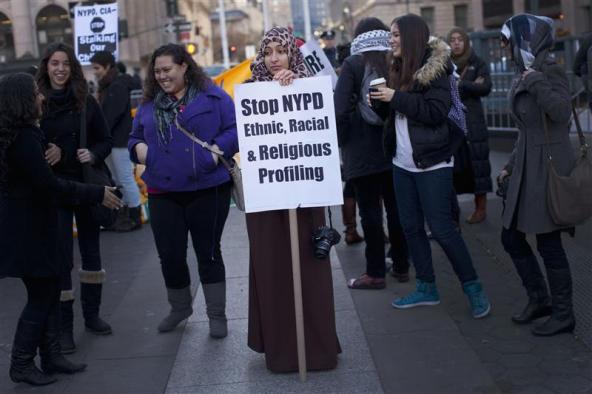
The Muslim community in the United States bares much of the weight of post-9/11 fears as they are often stereotyped and discriminated against. But their problems in America have extended beyond religious profiling from everyday strangers.
Muslims in New York who had been arrested for small crimes say that police interrogated them after their arrests.
The citizens said they were not asked about the crimes they allegedly committed, but instead they were asked about their religious beliefs, what mosques they attend and what their prayer habits were like.
Eventually, they said the police would finally ask if they would be interested in becoming an informant for the New York Police Department.
While the New York police claim these questions were merely a part of casual conversations, the Muslim citizens who were being interrogated said they certainly did not feel as if they were merely having a conversation.
Moro Said, a 57-year-old limousine driver who had been arrested in Queens, recalled police telling him that if he was able to help them out then “everything will be OK.”
“He said, ‘You just go to mosque and the café and just say to us if somebody is talking about anything, anything suspicious,’ ” Said told The New York Times.
Said also said he found it coercive that the police would bring up the offer to be an informant when he was in custody.
He admitted that he agreed to be an informant because he feared what the police had the power to do if he said no.
“They’re fishing,” he said. “You’re in trouble with the law and they are the law.”
A week after being released, Said said an officer called him to arrange another meeting, but Said declined before hanging up the phone.
Another Muslim New York resident was arrested back in 2009 over a parking ticket dispute.

Credit: Richard Drew, The Associated Press
Bayjan Abrahimi, a food cart vender from Afghanistan, said he was questioned about his knowledge of Al Qaeda after his arrest.
They asked if he would be willing to travel to Afghanistan and gather information from what he hears in mosques.
Just like Said, Abrahimi told The New York Times he agreed out of fear.
John Miller, the deputy commissioner in charge of the Intelligence Division, said that these tactics were not immoral and the citizens had nothing to fear during their conversations with officers.
“We were looking for people who could provide visibility into the world of terrorism,” Miller told The New York Times. “You don’t get information without talking to people.”
Miller went on to say that the debriefing of prisoners has always been a very efficient way to gather information and it’s not being used to counter terrorism.