PRETORIA, South Africa — South Africa’s ruling ANC will use its fresh electoral mandate to “radically” boost Black business, a top member predicted to one day lead the party, has told AFP.
With the ink not yet dry on a thumping ANC election victory, public enterprises minister and third leading party official Malusi Gigaba said past empowerment programs had succeeded only in creating nepotism.
“The fact of the matter is Black South Africans continue to feel a sense of social injustice in terms of economic ownership patterns, as well as the ownership of the land,” Gigaba told AFP in an interview.
“We need to implement programs that are going radically to change that,” he said at the election commission’s national operations center in the capital Pretoria.
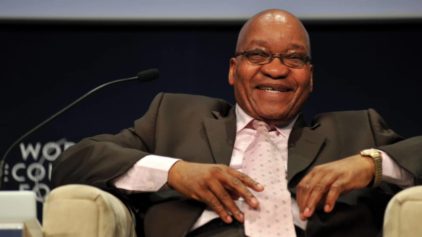
With about three-quarters of ballots counted, the ANC had garnered a thumping 63 percent of the popular vote, promising President Jacob Zuma’s second government and a resounding mandate.
But the ANC will continue to face pressure to redress vast disparities between rich and poor that broadly cut down racial lines and which have narrowed little in 20 years of democracy.
Dozens of protests occur daily, many spilling over into violence, and voters have begun to back more radical parties like the Economic Freedom Fighters led by Julius Malema.
He has called for the nationalization of mines and expropriation without compensation of white-owned land.
Zuma’s government will also face pressure to do more than talk about Black empowerment programs.
Gigaba admitted there had been mistakes made in implementing policies that demanded existing white-owned businesses take on a proportion of Black shareholders.
“The program in the last 20 years merely created shareholders. It, in a way, also encouraged patronage, nepotism and other negative elements,” said the 42-year-old.
“We want a program that creates a real legacy in the form of building industry.”
He said there was a need to create a new class of Black industrialists who will boost employment levels and kickstart the lackluster economy where unemployment is rampant.
He said that a program would be implemented for “ensuring that we create more Black business people, we create more Black managers, we transfer economic ownership to the hands of Black people.”
“We want Black people to establish their own companies. We want them to run the real economy, to become involved in industry,” he added.
“Because it is industry that creates jobs, it’s industry that grows the economy, it’s industry that will ensure greater trade with other countries particularly in Africa.”
A particular focus area would be to boost infrastructure development and use local suppliers for government business, he said.
The party would also “reform land ownership more radically and ensure that we transfer as much land as possible to many landless, destitute people who were historically dispossessed of their land.”
Source: jamaicaobserver.com