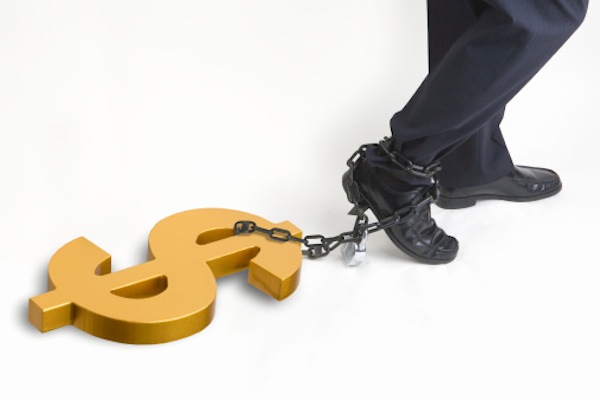
7 Financial Habits That Keep Black People From Economic Freedom

debt-slave

Introduction

In an open letter addressed to President Barack Obama on Sept. 6, 2011, economist Dr. Claud Anderson offered suggestions to improve the economy for the betterment of the Black community.  “With more than 25 million people unemployed and the actual unemployment rate of Blacks in America over 50 percent, the nation’s economy must turn around and produce more jobs if Blacks have a chance of survival,” he wrote.

Anderson suggested proper allocation of government spending as a solution to revitalize the dire economic conditions of the Black America. From immigration reform to the creation of more public works jobs, he left no room for the government to reject any possibilities for facilitating Black economic growth. But even if legislation were approved in support of Anderson’s ideas, Black people must embrace taking control their own financial freedom.
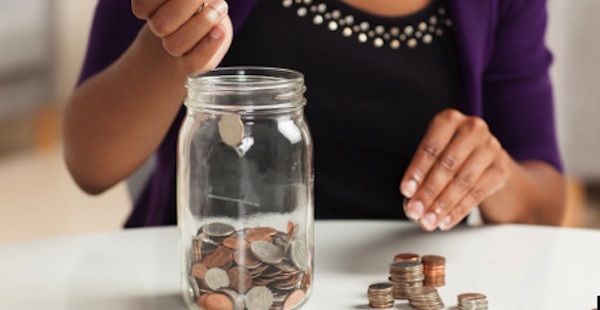
r-FINANCIAL-LITERACY-FOR-WOMEN-large570

Financial Literacy

Understanding capital, credit and banking practices has been a challenge for many members of the Black community. The Jump$tart coalition, an organization dedicated to financial education of children and teens, conducted a survey in 2007 and discovered that 40-50 percent of Black students polled had general knowledge of money management.

Laura Levine, director of Jump$tart, said the number of financially informed Black students has not improved since the survey was introduced in 1997.

Democracy needs journalism it can trust.

This election season, the stakes are higher than usual — and so is the pressure on newsrooms to soften their coverage, stay quiet, or just disappear. Independent reporting, the kind that answers to readers instead of advertisers or political pressure, matters more in a moment like this, not less.

For over 14 years, Atlanta Black Star has stayed independent and reader-funded. We have no corporate owner and no shareholders telling us what to cover or how to cover it. That independence is also our biggest vulnerability: nothing protects it except readers choosing to fund it directly.

Newspaper ad revenue has fallen more than 80% since 2005, and local newsrooms are closing at a rate of roughly two a week nationwide. When outlets go under in a moment like this, it's rarely the independent, reader-funded ones that get to stick around.

We know a request for support isn't why you came here. But without readers choosing to fund this work directly, the depth of reporting we can do at home and abroad shrinks along with everyone else's. If you're not in a position to give, that doesn't change how much we value you as a reader.

If you are able to, a recurring contribution does more for us than a single one-time gift, because it lets us plan the next investigation instead of just the next invoice. It takes about 30 seconds, no long form, no account. Thank you for continuing to support independent journalism and freedom of the press.

Back to top