BRIDGETOWN, Barbados – Cahill Energy, a Guernsey-based developer of clean-power plants, has agreed to build a US$241 million facility in Barbados that will use waste to produce electricity.
The plant will have a capacity of 30 megawatts to 35 megawatts, the company said in an emailed statement after signing an agreement with the Barbados government. The facility will operate by the end of the second quarter of 2017.
Waste-to-power projects use municipal trash or other garbage to produce electricity. Barbados has a target to replace 29 percent of its oil-fired electricity output with generation from renewable and alternative sources by 2029.
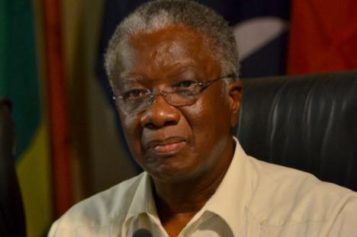
“This waste to energy project is a major step to put Barbados firmly on the way to its initial target of replacing by 2029, 29 percent of its oil-based electricity by generation from renewable and alternative energy,” the island’s energy minister, Darcy Boyce, said in a statement.
“Indeed, this project will help Barbados significantly to reach this target 10 years earlier than planned.”
The plant, which is set to be built in Vaucluse, St. Thomas, will create up to 650 skilled labor jobs, stimulating growth across the island and providing the government of Barbados with several hundred million dollars in estimated savings over the lifetime of the 30-year contract.
Clare Cowan, CEO of Cahill Energy, said at the signing: “Cahill Energy began exploring waste to energy in 2011 and our attention was directed towards the Caribbean by Seventh Heaven Properties.
“While we recognize the country faces some short-term challenges due to the impact of the global economic downturn, we believe the fundamentals are strong.
“We are therefore confident that this investment represents a phenomenal business opportunity for our investors and offers even greater benefits to the people of Barbados.”
Source: jamaicaobserver.com