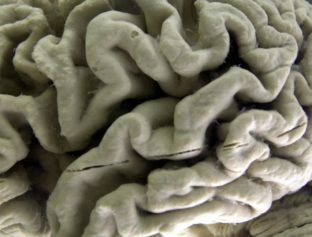
Alzheimer’s disease may be a growing concern as you or your loved ones approach 65 – the age when Alzheimer’s strikes many sufferers. A common symptom is the deterioration of memory and mental functions that worsen over time, leaving the afflicted often incapable of independent living.
While conventional medicine has no cure for the disease, the good news is that scientifically-verified supplements may ward off Alzheimer’s.
The power of antioxidants
In those with Alzheimer’s disease, portions of the brain are reduced and replaced by protein deposits and cellular debris. And much research points to the role of free radicals in the development of such brain damage.
To combat the destructive effects of free radicals and keep Alzheimer’s at bay, you will need a high daily intake of antioxidant foods. Foods that are rich in antioxidants include fresh fruits and vegetables, especially those high in vitamins C and E, and beta-carotene.
A study involving 1,800 subjects by researchers from the Vanderbilt University and the University of South Florida found that those who drank fruit and vegetable juices at least three times a week had a 76 percent lower risk of developing Alzheimer’s, compared to those who drank juices less than once a week.
Studies have also found that fruits like blueberries and currants have special protective effects against the brain damage seen in those with Alzheimer’s.
The benefits of B-vitamins
It is widely acknowledged that a decline in B-vitamin levels in the body can lead to poorer mental performance, and higher levels of amino acid homocysteine, which is in turn linked to a higher risk for Alzheimer’s.
Given the high incidence of nutritional deficiency, especially folate and B12, amongst the elderly, it is not inconceivable that the impaired mental function experienced by many Alzheimer’s sufferers could be a result of a vitamin B deficiency.
Indeed, many with Alzheimer’s disease are found to have a deficiency in the vitamin. Studies have found that supplementation using B12 and/or folic acid completely reversed dementia symptoms in some patients, especially those whose symptom onset was less than six months.
So if you want to be keep Alzheimer’s and other age-related mental impairments at bay, ensuring that you get enough B-vitamins in your diet, especially folate, B1, B6 and B12, may be a deterrent.
The toxicity of aluminum
Scientists have been finding high levels of aluminum in the brain cells of Alzheimer’s patients, as compared to normal individuals or patients with non-Alzheimer’s dementia, such as from stroke or alcohol abuse. This finding has led many to conclude a strong link between aluminum toxicity and the development of this disease.
Indeed, studies found that when desferrioxamine, a chelating agent that binds to aluminum in the body and promotes its excretion through urine, was injected into the muscles of 48 patients with Alzheimer’s disease over a period of two years, the rate of their mental decline was significantly slowed.
Hence, an important preventive measure against Alzheimer’s would be to limit your body’s exposure to aluminum, which is found in antacids, baking powder and table salt. Aluminium may also be introduced to foods through using aluminum cans, aluminum cookware and aluminum foil food wrapping. Aluminum may also be found in tap water in some areas.
Besides filtering your drinking water, ensuring a diet rich in magnesium is something you can do, as magnesium competes with aluminum for absorption, reducing the latter’s accumulation in your body.
Read more: Natural News