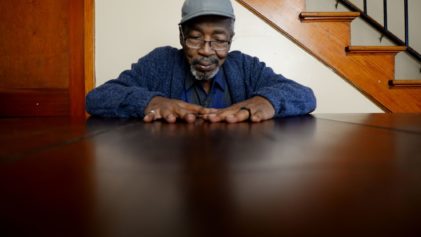
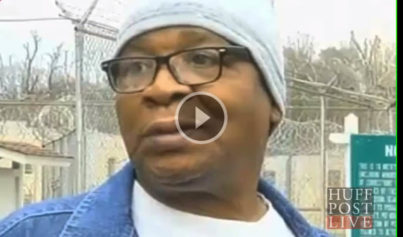
 Glenn Ford, 64, who spent nearly 30 years on death row, got a delicious taste of free air yesterday after a judge set aside his first-degree murder conviction and death sentence when new evidence emerged that exonerated him.
It was 1983 when Ford was convicted by an all-white jury of killing Isadore Rozeman, a 56-year-old Shreveport watchmaker, who was found shot to death behind the counter of his jewelry shop and for whom Ford had done occasional yard work.
Over the last 30 years, Ford’s claims of innocence went unheeded and his multiple appeals were denied. But things started to change in 2000, when the Louisiana Supreme Court ordered an evidentiary hearing to investigate Ford’s claim that the prosecution suppressed favorable evidence related to Jake and Henry Robinson, two brothers initially implicated in the crime.
Then in 2013 an unidentified informant told prosecutors that Jake Robinson admitted to shooting and killing Rozeman, according to court records. Prosecutors last week finally filed a motion to vacate Ford’s conviction and sentence, saying that in late 2013 “credible evidence” came to their attention “supporting a finding that Ford was neither present at, nor a participant in, the robbery and murder of Isadore Rozeman.”
“We are very pleased to see Glenn Ford finally exonerated, and we are particularly grateful that the prosecution and the court moved ahead so decisively to set Mr. Ford free,” said Gary Clements and Aaron Novod, attorneys for Ford from the Capital Post Conviction Project of Louisiana.
As he walked out of the prison, Ford, who was Louisiana’s longest-serving death-row inmate, told WAFB-TV, “It feels good; my mind is going in all kind of directions. It feels good.”
The 64-year-old said he does have some ill will about being wrongly jailed.
“Yeah, cause, I’ve been locked up almost 30 years for something I didn’t do,” he said.
Caddo Parish Assistant District Attorney Catherine Estopinal wouldn’t respond to media requests about the case.
“I can’t go into it,” she said.