Ovarian cancer is one of the most deadly diseases out there. It is the fifth leading cause of cancer death among U.S. women — an astounding 14,000 out of 23,000 diagnosed each year, die. Ovarian cancer tends to be aggressive and generally has very few symptoms until it reaches an advanced stage. Fortunately, several natural remedies have proven to be exceptionally useful in both preventing and curing this silent killer. Ginger, ginkgo biloba, green tea and flaxseed are all remarkably effective at destroying ovarian cancer cells and tumors — hindering proliferation and increasing survival rates dramatically.
Using food as medicine
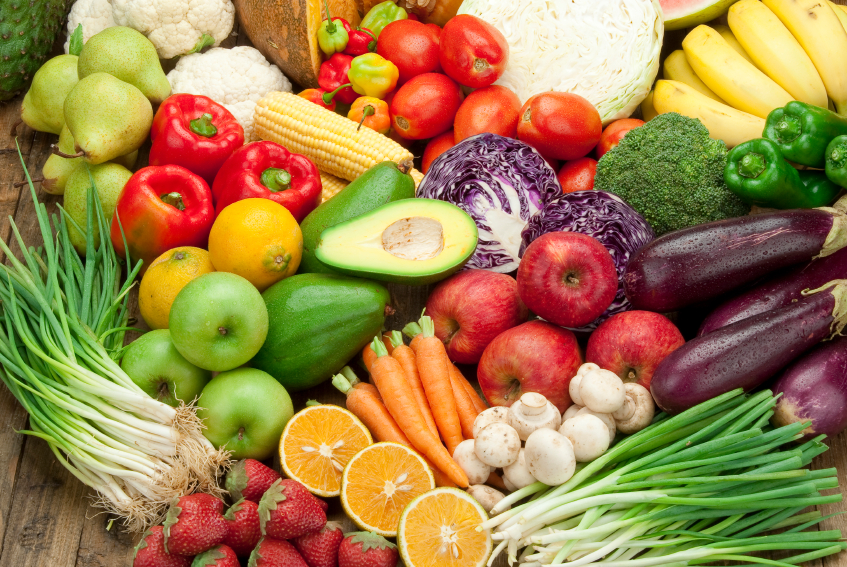
Diet is extremely influential in preventing as well as healing ovarian cancer. Beyond consuming an abundant variety of fresh produce and limiting dairy, meat and sugar, certain foods specifically target ovarian cancer cells — demonstrating extraordinary success in defeating this life-threatening disease.
Ginger
Ginger root is an outstanding food for annihilating ovarian cancer cells. When researchers dissolved ginger powder in a solution containing ovarian cancer cultures, the mutant cells died. Ginger destroys ovarian cancer cells in two ways. First by a process of cellular self-destruction called apoptosis then by autophagy where the cells digest themselves. Scientists at the University of Michigan found that ginger caused the same rate of apoptosis as common chemotherapy drugs yet without any side effects. Ginger root also controls inflammation which is a precursor to ovarian cancer.
Ginkgo biloba
Research has shown that the herb ginkgo biloba significantly lowers the risk of developing ovarian cancer. More than 600 women with ovarian cancer and 640 healthy control subjects were studied. The participants had a history of using either ginkgo, echinacea, St. John’s wort, ginseng or chondroitin. Only those who took ginkgo supplements had lower rates of ovarian cancer — an impressive 60 percent decrease in risk.
Green tea
Drinking a mere two cups per day of green tea can slash the risk of ovarian cancer by half. Researchers followed 61,057 women, ranging in age from 40 to 76, over the course of 15 years. For those who drank one cup of green tea daily, the risk of ovarian cancer was reduced by 24 percent while two or more cups lowered the risk by 46 percent. And for women who consumed the beverage consistently for over 30 years, ovarian cancer rates dropped by 75 percent. Scientists believe the high level of antioxidants found in green tea are responsible for the results. Not only do these powerful phytonutrients help prevent and repair DNA damage but they also hinder the growth and spread of cancer cells by increasing apoptosis.
Flaxseed
A case-control study discovered that U.S. women who had the highest intake of plant lignans also had the lowest rates of ovarian cancer. Lignans found in flaxseed are considered phytoestrogens. These compounds ‘plug’ into estrogen receptors, blocking stronger forms of the hormone which aggravate ovarian cancer. Flaxseed lignans also act as an antioxidant. In a surprising investigation involving flax fed chickens, researchers at the University of Illinois found that ovarian cancer was significantly reduced in hens that consumed the seed. According to professor Janice Bahr, “In hens fed flaxseed, we found that more tumors were confined to the ovary and they had less metastatic spread. This is an important finding as the metastases that accompany late-stage ovarian cancer are the main cause of death from the disease.”
Read more: Natural News