Who is Black? Striking Images of the World’s Dark-Skinned People Inaccurately Considered Non-Black

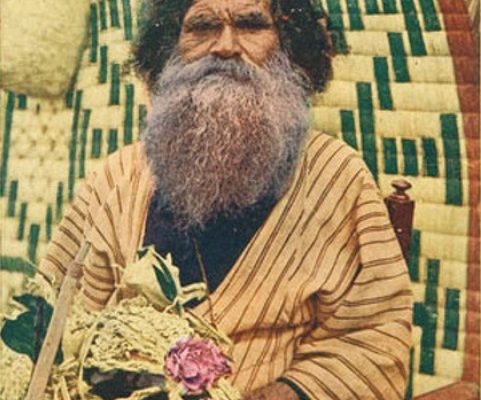
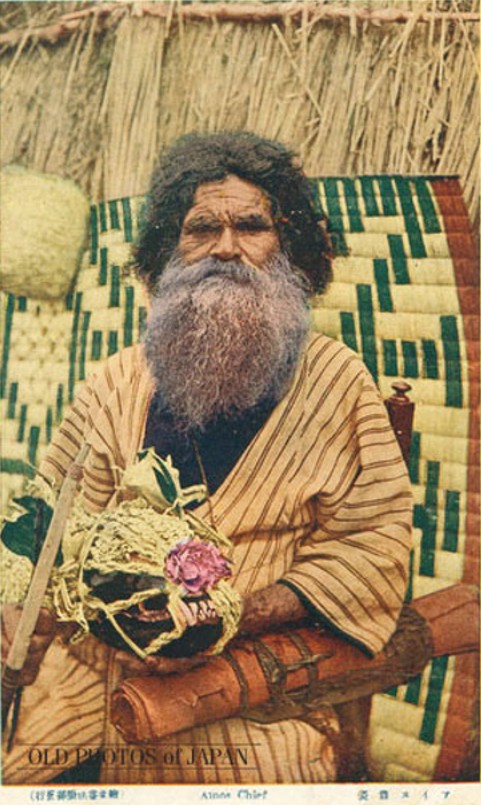
Ainu_1

The Indigenous Blacks Of  East Asia

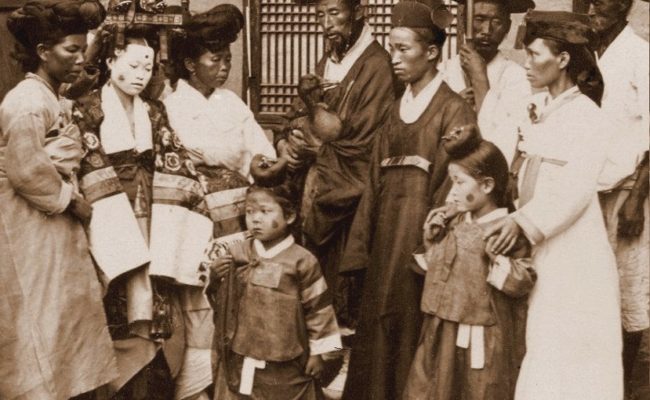
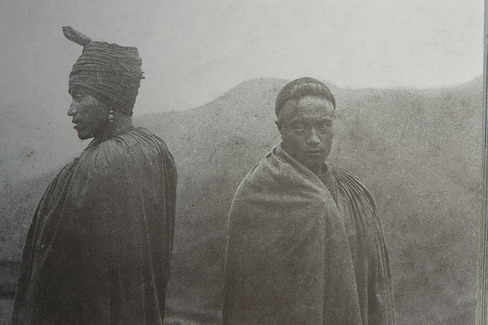
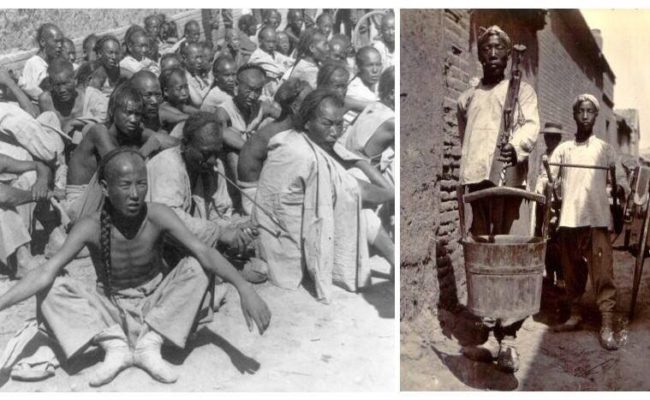
Before waves of Han migrations around 1600 B.C., the original inhabitants of China were Black Africans who arrived there about 100,000 years ago and dominated the region until a few thousand years ago.  They were followed by the Aboriginal ethnic groups, who are part of the Austronesian people who have come from the Malay Archipelago 6,000 years ago.  Pejoratively called Nigritos , or Little Black People, by the Spanish invaders who observed them in Southeast Asia, these Africans were still living in China during the Qing dynasty (1644 to 1911).

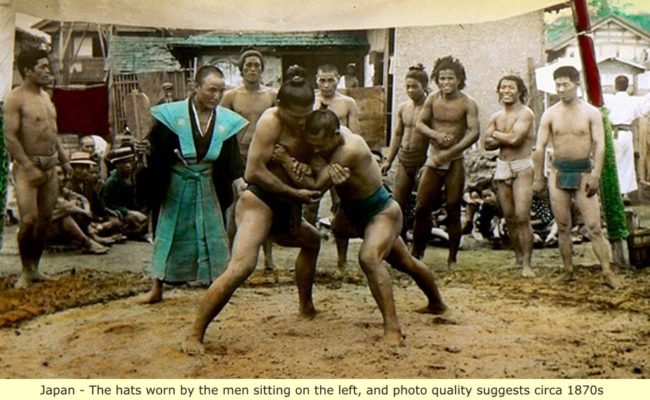
At about 35,000 B.C. a group of African Chinese, who became known as the Jomon entered Japan, they became the first humans to inhabit the Japanese Islands. Later, another group; now known as the Ainu, followed. Genetically they’re more similar to dark-skinned groups found in Southeast Asia than the Chinese, Japanese or Koreans.

The original Chinese have been wiped out and the Ainu have  been subjugated to grave injustices by their lighter-skinned countrymen. Although the true number of Ainu descendants living in Japan is unknown,  the official numbers suggest there are only about 25,000 descendants of the Ainu remaining, while the unofficial number claims upward of 200,000.

 

Democracy needs journalism it can trust.

This election season, the stakes are higher than usual — and so is the pressure on newsrooms to soften their coverage, stay quiet, or just disappear. Independent reporting, the kind that answers to readers instead of advertisers or political pressure, matters more in a moment like this, not less.

For over 14 years, Atlanta Black Star has stayed independent and reader-funded. We have no corporate owner and no shareholders telling us what to cover or how to cover it. That independence is also our biggest vulnerability: nothing protects it except readers choosing to fund it directly.

Newspaper ad revenue has fallen more than 80% since 2005, and local newsrooms are closing at a rate of roughly two a week nationwide. When outlets go under in a moment like this, it's rarely the independent, reader-funded ones that get to stick around.

We know a request for support isn't why you came here. But without readers choosing to fund this work directly, the depth of reporting we can do at home and abroad shrinks along with everyone else's. If you're not in a position to give, that doesn't change how much we value you as a reader.

If you are able to, a recurring contribution does more for us than a single one-time gift, because it lets us plan the next investigation instead of just the next invoice. It takes about 30 seconds, no long form, no account. Thank you for continuing to support independent journalism and freedom of the press.

Back to top