Democratic Republic of the Congo
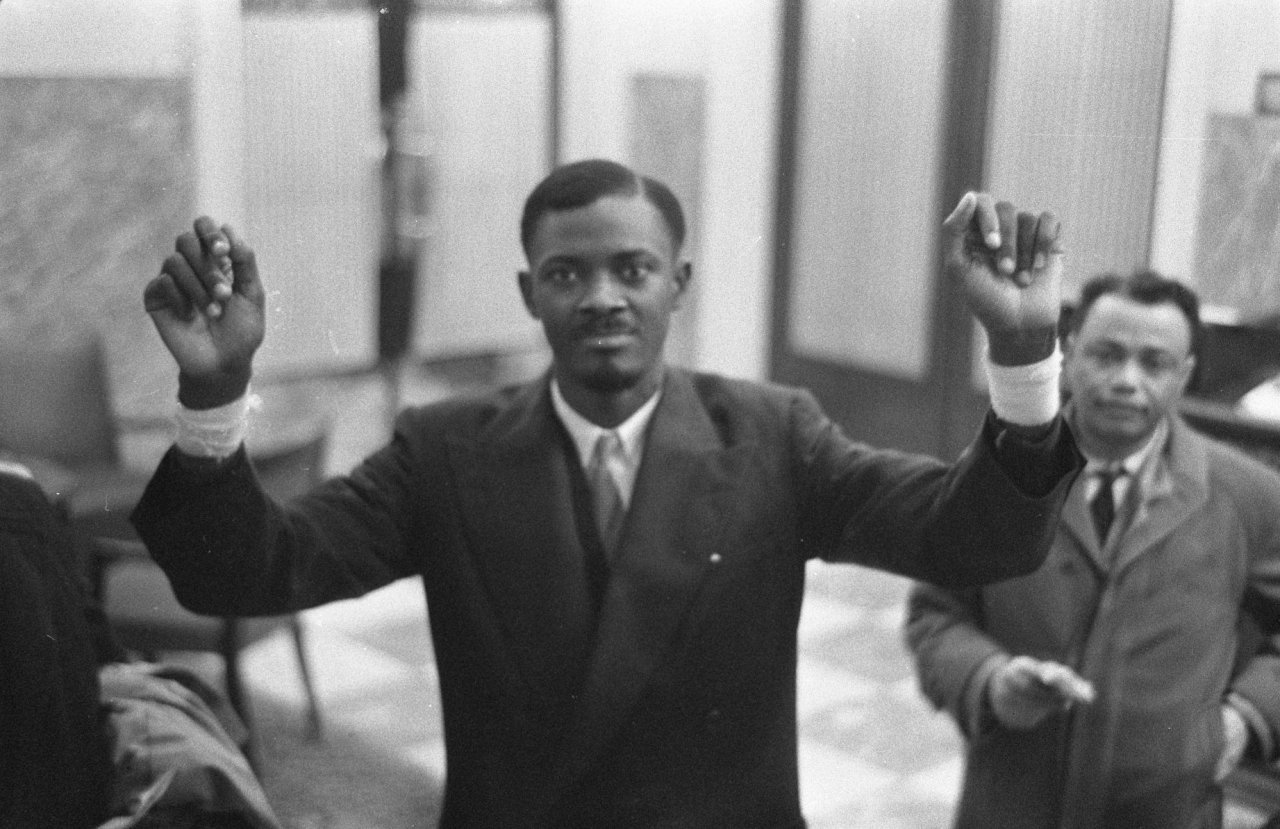
In 1960, Patrice Lumumba was elected the first prime minister of the newly independent Democratic Republic of Congo. Considered the richest country in Africa based on land mass and natural resources, Congo’s former colonizer Belgium wasn’t ready to fully relinquish control of its prized territory.
Belgium was eager to throw its support behind the province of Katanga in the southeast ,which declared its independence as the state of Katanga under the leadership of Moise Tshombe. Belgium provided the CONAKAT party led by Tshombe with more than 6,000 Belgian troops. Several ethnic conflicts and political tensions arose.
Lumumba, concerned with unifying the Congo, called a compliant Soviet Union for military support.
Lumumba’s decision to accept Soviet help angered the administration of U.S. President Dwight Eisenhower, who reportedly ordered his assassination. Lumumba’s Pan-Africanist policies to completely wrangle his country out of the hands of foreign countries made him a threat not only to the United States, but to former colonizers Belgium and Britain.
According to wsws.org, “Minutes of an August 1960 National Security Council meeting confirm that Eisenhower told CIA chief Allen Dulles to ‘eliminate’ Lumumba.”
The Belgians would beat Eisenhower to the task, however the U.S. was ever present in the election of Joseph Sese Seko Mobutu in 1965.
Wsws.org reports that a BBC Storyville documentary series, Mobutu, “revealed how the Western powers put Joseph Sese Seko Mobutu in power after the death of Lumumba, keeping him there for 32 years while he systematically looted the country. Mobutu became the West’s main Cold War ally in Africa, and the Congo formed the staging post for CIA operations against Soviet-backed African regimes.”