 Tales of racism within the fashion industry are, sadly, never ending.
Some of the most telling accounts of the industry’s racially charged ways have come from models. It’s no surprise that Beverly Johnson, Vogue’s first Black cover model, experienced racism in the ’70s, but the same issues that plagued the beauties back then have unfortunately stood the test of time. Both Jourdan Dunn and Chanel Iman have gone on record about their woes of being Black models in today’s market. And now their sentiments are being echoed once again by up-and-comer, Anais Mali.
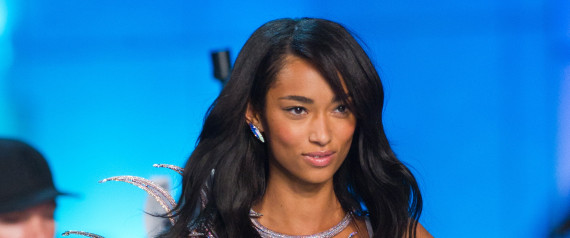
Mali, who hails from the South of France and starred in David Yurman’s Fall 2013 campaign, recently chatted with Into The Gloss and told the website that none of the modeling agencies in Paris would sign her.
“This is Paris — Black girls don’t work here,” the agencies would tell her. “France is very racist, you don’t see a lot of powerful Black people in France—it’s starting but it’s slow-moving,” Mali explained to Into The Gloss.
But after moving to New York City at 18 years old and being signed by Wilhelmina, Mali found the acceptance she was looking for — well, kind of. Her ambition to book jobs with top fashion magazines, like Vogue, was meant with more negativity: “Yeah, but you’re Black and you’re short,” they would tell her.
“I feel like the industry is trying to focus more on diversity, but there’s still a long way to go. In Milan, you don’t really see Black girls on the runway — it’s sad,” Mali said. “You hear things like, ‘We already have Jourdan [Dunn], one Black girl is enough.’ I’m getting good work, I’m happy, but I want to see more Black girls.”
Source: huffingtonpost.com