10 Interestingly Scary Examples of Genetic Engineering You Should Know About

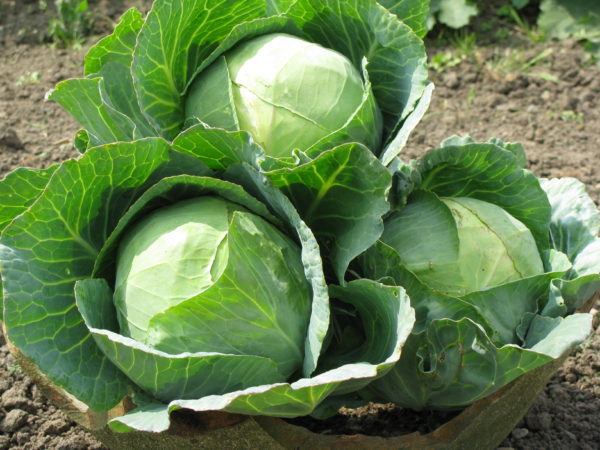
venomous cabbagge

Scorpion Venom Cabbage

Scientists have recently taken the gene responsible for making poison in scorpion tails and researched ways to combine it with cabbage to limit pesticide use while still preventing caterpillars from damaging cabbage crops. These genetically modified cabbages would produce scorpion poison lethal to  caterpillars when they bite leaves — but the toxin is supposedly harmless to humans.


cats-cloned-glowing-animals_11832_600x450

Glow in the Dark Animals

Pigs that glow from inside out  sounds pretty ridiculous, but scientists are increasingly using genetically modified animals to help them understand diseases that affect humans, and sometimes just for art. In addition to pigs, cats, dogs, rats, mice sheep, fish, monkeys, and rabbits have been genetically engineered to glow in the dark.

One way the scientists are doing this is by inserting fluorescent proteins, a green protein found in the Aequorea victoria jellyfish, into animals, making them glow. The fluorescent proteins help scientists to monitor the performance of genes that they have altered. The pioneers of this method were even awarded the 2008 Nobel Prize in chemistry for their efforts. Below are nine genetically modified animals that now glow, thanks to science:


Democracy needs journalism it can trust.

This election season, the stakes are higher than usual — and so is the pressure on newsrooms to soften their coverage, stay quiet, or just disappear. Independent reporting, the kind that answers to readers instead of advertisers or political pressure, matters more in a moment like this, not less.

For over 14 years, Atlanta Black Star has stayed independent and reader-funded. We have no corporate owner and no shareholders telling us what to cover or how to cover it. That independence is also our biggest vulnerability: nothing protects it except readers choosing to fund it directly.

Newspaper ad revenue has fallen more than 80% since 2005, and local newsrooms are closing at a rate of roughly two a week nationwide. When outlets go under in a moment like this, it's rarely the independent, reader-funded ones that get to stick around.

We know a request for support isn't why you came here. But without readers choosing to fund this work directly, the depth of reporting we can do at home and abroad shrinks along with everyone else's. If you're not in a position to give, that doesn't change how much we value you as a reader.

If you are able to, a recurring contribution does more for us than a single one-time gift, because it lets us plan the next investigation instead of just the next invoice. It takes about 30 seconds, no long form, no account. Thank you for continuing to support independent journalism and freedom of the press.

Back to top