
 Geo Politics
Although smaller compared to countries like the U.S., Jamaica has been a global thought-leader in politics.
For example, Jamaica’s commitment to the principle of human rights and to a philosophy of international morality is exemplified by its stance on apartheid and racism. Jamaica was at the forefront of the international campaign against apartheid in South Africa. It was also the first country to declare a trade embargo against South Africa, as early as 1957.
In addition, Jamaica has historically not been afraid to go against the grain politically. This is most evident by the election of Jamaica’s former Prime Minister Michael Manley who was a leader of the non-aligned movement and pushed for economic equality for all developing nations, even when his positions were unpopular with the U.S.
The iconic President Julius Nyerere of Tanzania called him “the leader of the trade union of the poor.”
 Cultural Influence
Jamaica’s cultural influence is widespread. A small island, its culture and music is nevertheless embraced by people from across the world.
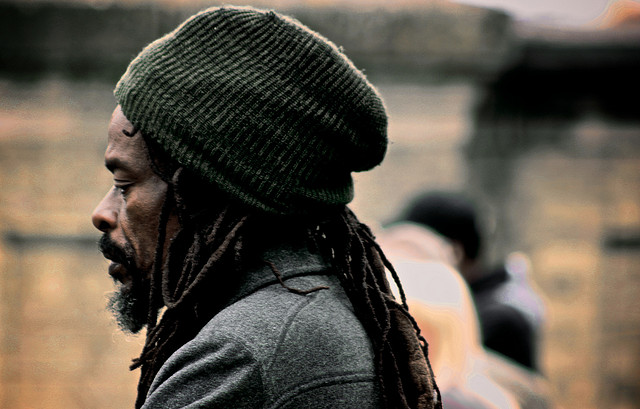
Jamaica is also the birthplace of Rastafari – an Afro-Caribbean spiritual and political movement that came into existence in the 1930s, based on the teachings of Marcus Mosiah Garvey, Jamaica’s first national hero, and is widely popular across the globe.


