
Underdevelopment and Lack of Security
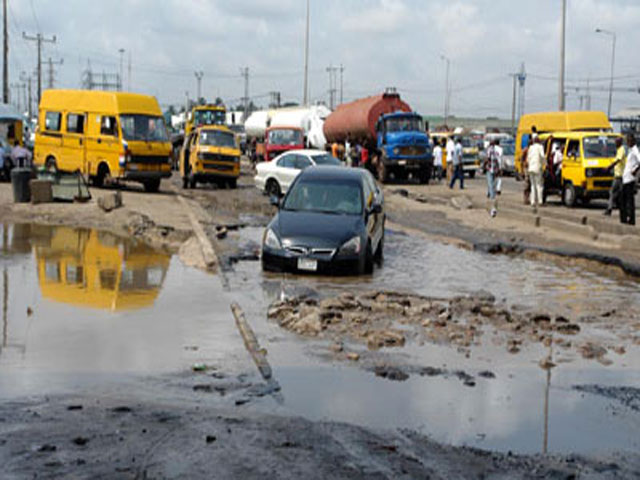
Twenty-five hundred years of invasion, conquest, slavery, and colonization have led to the severe underdevelopment of the African continent. Many economists argue that the physical infrastructure of African, Latin American and Caribbean nations are insufficient to maintain favorable economic development.
Physical infrastructure refers mainly to public transportation ( roads, highways, railroads, ports, airports, etc.), telecommunications, potable water and electric energy systems, sanitation, schools, and hospitals.
Adequate infrastructure is the foundation for economic development and the elimination of poverty. Its absence places limitations on a region’s international competitiveness, trade opportunities, and foreign investment.
The African continent, the second largest on earth, is more immense than the United States, China, India and the European Union combined. Enormous distances combined with poor infrastructure hampers the intercommunication and the development of ties between African nations, which also consist of diverse ethnic groups.
Unity in Africa is challenging under these circumstances. This is unlike Europe, which is only one-third the size of Africa and whose population have been unified by Christianity for almost 2,00o years.
Economic, social, and political development in Africa and the Diaspora is essential to Black unity, which is absolutely necessary if we are to effectively address major world forces that threaten the Black world.
It was a neglect of collective security that made it possible for other groups to divide, conquer, enslave, and colonize Black people repeatedly over the last 2,000 years. Building a Black world collective security system is, therefore, of vital importance for our dignity, self-respect and more importantly, our survival.
Source: www.sscnet.ucla.edu
Source: www.wfp.org
Source: www.wikipedia.org
Source: www.thepoint.gm
Source: www.goafrica.about.com
Source: www.motherjones.com
Source: www.wikipedia.org
Source: www.arabslavetrade.com
Source: www.hope-project.org
Source: www.britannica.com


