
Black Tribalism (Lack of Solidarity)
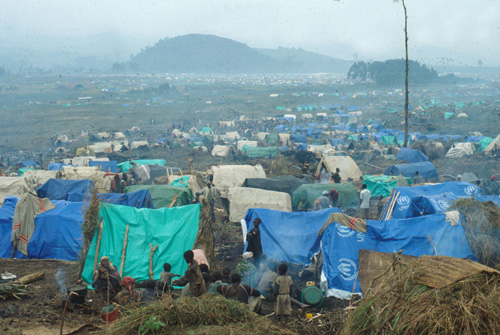
The negative effects of tribalism permeate Black people in the Americas, Caribbean and within African nations. In Africa alone, there are over 3,000 distinct tribes and resulting conflicts have caused millions of deaths, trauma and displacement. In 1994, an estimated 1 million Rwandans were killed in the battle between the Tutsi and the Hutu. In the Americas and in parts of the Caribbean, tribalism also plays out in the form of Black-on-Black gang violence.
The major issue stemming from tribalism among Black people is that it causes a lack of solidarity. Europeans and Asians have all but eradicate thousands of years of tribalism and have been able to unify and achieve major advancements. They understood the importance of binding together for success. Black people have been unable to accomplish this unity and so the Black world today is often divisive leading to mediocre governments, poor military defense, weak economies and other issues.
Black tribalism is also part of the reason why Europeans and Asians have been able to take advantage of Blacks politically, economically and physically. For example, the colonial Belgian government began actively promoting tensions between the Hutu and Tutsi after World War I when it took control of Rwanda.


