Consumer electronics titan and Apple archrival Samsung announced its latest tablet: the Galaxy Tab 3, which runs Google’s Android Jelly Bean 4.1 operating system and boasts a 7-inch display.
The device, which is powered by a 1.2GHz dual-core processor, comes with either 8 or 16GB of internal storage, plus up to 64GB of expandable memory. It also comes with both a 3-megapixel rear camera and 1.3-megapixel front camera. Plus, the design features a thinner bezel than its predecessor, the Galaxy Tab 2.
A Wi-Fi version of the Galaxy Tab 3 will be available globally beginning May, and a 3G version will follow in June, although product availability will vary by market and will be rolled out gradually, according to a company statement.
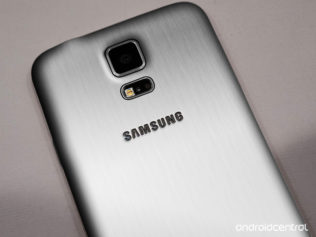
The release of the company’s latest tablet device follows the much-hyped launch of another product in the Galaxy family, the Galaxy S 4 smartphone. The handset features a larger, richer display than the Galaxy S III — 5 inches and a resolution of 1,080 by 1920 — as well as an eight-core processor and a 13-megapixel camera.
Samsung dialed up the software features as well. While the Galaxy S III has loads of camera options, with the Galaxy S 4, users can, among other things, add snippets of sound to still images.
While pricing and availability of the Galaxy Tab 3 remain unconfirmed, AT&T announced March 28 that it will sell the Galaxy S 4 for $249 — $50 more than the industry standard for high-end devices like Apple’s iPhone 5 and the S 4’s predecessor— and it began accepting orders April 16. Verizon Wireless and Sprint have also committed to selling the S 4.
The household penetration rate of tablets is up 17 percent year over year, according to the research study “A Tale of Two Techs — Smartphone and Tablet Adoption and Usage,” conducted by the Consumer Electronics Association. Among tablet owners, 92 percent browse the Web and 83 percent use their tablets to check email, the report found.
Global tablet shipments reached 40.6 million units in the first quarter of 2013, with Google’s Android platform securing an impressive 43 percent global share, while Apple iOS devices, including the iPad and the iPad Mini, maintained their strong market leadership, accounting for nearly half (48 percent) of tablets shipped, according to the latest report from IT research firm Strategy Analytics…
Read More:eweek.com