It is not just Venezuelans who are looking anxiously at their post-Hugo Chavez future.
Cubans, too, have much to lose if Venezuela’s government changes after the April 14 election, and they’re not happy about it.
In campaign speeches, Venezuelan opposition leader Henrique Capriles is threatening to axe the long-time lifeline Venezuela has been providing to Cuba in the form of heavily discounted oil.
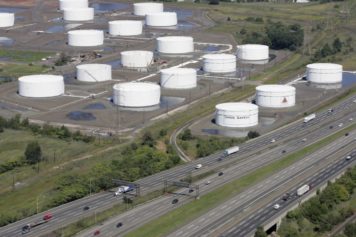
For 13 years, the small Caribbean state has depended on Venezuela for nearly 100,000 barrels a day of petroleum — to light Cuba’s homes and the hotels that underpin its tourist economy — at discount prices that amount to an estimated $6-billion subsidy over the six-year life of the current agreement.
“The giveaways to other countries are going to end,” Capriles told a student rally in Zulia recently. “Not another drop of oil will go toward financing the government of the Castros.”
The market-friendly Venezuelan governor is no fan of the radical socialism of the late President Chavez, who viewed Cuba’s Fidel Castro as a mentor. And Capriles’ message is getting through to Cubans loud and clear.
“The opposition is talking about cutting off the oil and if they do we’re in big trouble,” says Tina (not her real name), a tour guide in the northern province of Mattanzas.
Trouble is not something Cuba needs any more of, particularly now.
“After the triumph of the revolution in 1959, Cuba became an upside-down pyramid. Labourers at the top. professionals at the bottom,” says Tina, her own life being a case in point.
Read more: CBC.ca